 Save
Save The smell hit me before I even turned on the oven: a bowl of blood orange segments sitting on the counter, their deep crimson flesh glistening like jewels. I had bought them on impulse at the farmers market, drawn in by their strange, beautiful color, and spent the whole walk home trying to figure out what to do with them. A loaf cake felt right—something simple enough to let that tart, berry-like citrus shine, but rich enough to make it feel like an occasion.
I made this the morning my sister came over unannounced, still in her running clothes, looking for coffee and company. We sat at the kitchen table while the cake baked, the air filling with orange and butter, and by the time it came out of the oven, we'd solved half the world's problems. She took home three slices wrapped in foil, and texted me later that night: "Make this again."
Ingredients
- All-purpose flour: The backbone of the crumb—measure it carefully, spooning it into the cup and leveling off, so the cake stays tender instead of dense.
- Baking powder: Make sure it's fresh; I once used an old tin and the cake barely rose, sitting heavy and sad in the pan.
- Poppy seeds: They add a subtle nutty flavor and those beautiful dark flecks that make the cake look artisan without any extra effort.
- Unsalted butter: Softened to room temperature so it whips up light and airy with the sugar—cold butter won't cream properly.
- Granulated sugar: Creamed with the butter and zest, it pulls out the citrus oils and makes the whole batter smell like sunshine.
- Blood orange zest: This is where the magic lives—zest them before juicing, and use a light touch so you don't hit the bitter white pith.
- Eggs: Room temperature eggs blend more smoothly and help the batter emulsify without curdling.
- Marzipan: Grate it on the coarse side of a box grater; it melts into sweet almond pockets that keep the cake moist for days.
- Blood orange juice: Freshly squeezed is best—bottled juice won't give you that jewel-toned color or bright, slightly bitter edge.
- Whole milk: Adds richness and helps balance the acidity of the citrus so the crumb stays soft.
- Vanilla extract: A quiet background note that rounds out the almond and orange without stealing the spotlight.
- Powdered sugar: Sifted into the glaze, it dissolves instantly and creates a smooth, glossy finish.
Tired of Takeout? 🥡
Get 10 meals you can make faster than delivery arrives. Seriously.
One email. No spam. Unsubscribe anytime.
Instructions
- Preheat and Prep:
- Set your oven to 175°C (350°F) and line your loaf pan with parchment, leaving some overhang on the sides so you can lift the cake out easily later. Grease the parchment lightly—it helps the batter cling as it rises.
- Mix the Dry Ingredients:
- Whisk together the flour, baking powder, salt, and poppy seeds in a bowl until the seeds are evenly distributed. This step prevents pockets of leavening or seasoning in the finished cake.
- Cream the Butter and Sugar:
- Beat the softened butter, sugar, and blood orange zest for a full three minutes—the mixture should turn pale and fluffy, with the zest releasing its oils into every grain of sugar. This is the foundation of a tender crumb.
- Add the Eggs:
- Crack in one egg, beat until fully incorporated, then add the second. Rushing this step can cause the batter to split and look curdled.
- Fold in the Marzipan:
- Stir the grated marzipan gently into the batter until it's evenly scattered—those little bits will soften and melt as the cake bakes, creating pockets of almond sweetness.
- Combine the Wet Ingredients:
- In a small bowl or measuring cup, stir together the blood orange juice, milk, and vanilla. The juice will make the milk look a little curdled—that's normal and won't affect the cake.
- Alternate Adding Wet and Dry:
- Add a third of the flour mixture, then half the juice mixture, then another third of the flour, the remaining juice, and finally the last of the flour, mixing gently after each addition. Stop as soon as the streaks disappear—overmixing develops gluten and makes the cake tough.
- Bake the Loaf:
- Pour the batter into your prepared pan, smooth the top with a spatula, and bake for 45 to 55 minutes. Start checking at 45—the top should be golden and spring back when lightly pressed, and a toothpick should come out clean or with just a crumb or two.
- Cool and Glaze:
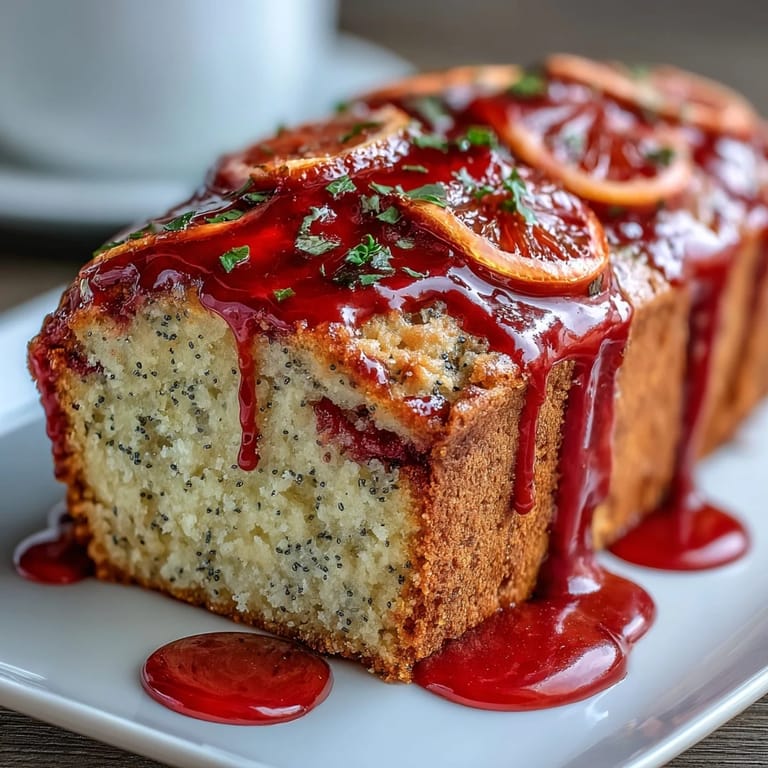
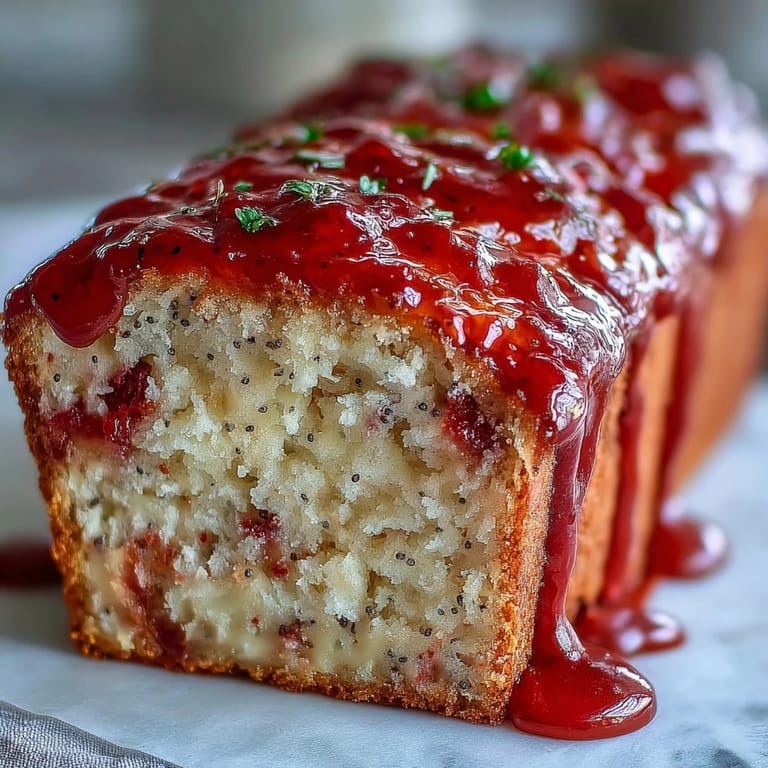
- Let the cake rest in the pan for ten minutes, then lift it out using the parchment overhang and set it on a wire rack. Once completely cool, whisk the powdered sugar and blood orange juice together until smooth, then drizzle it over the top in slow zigzags—it will set into a glossy, crackly shell.
 Save
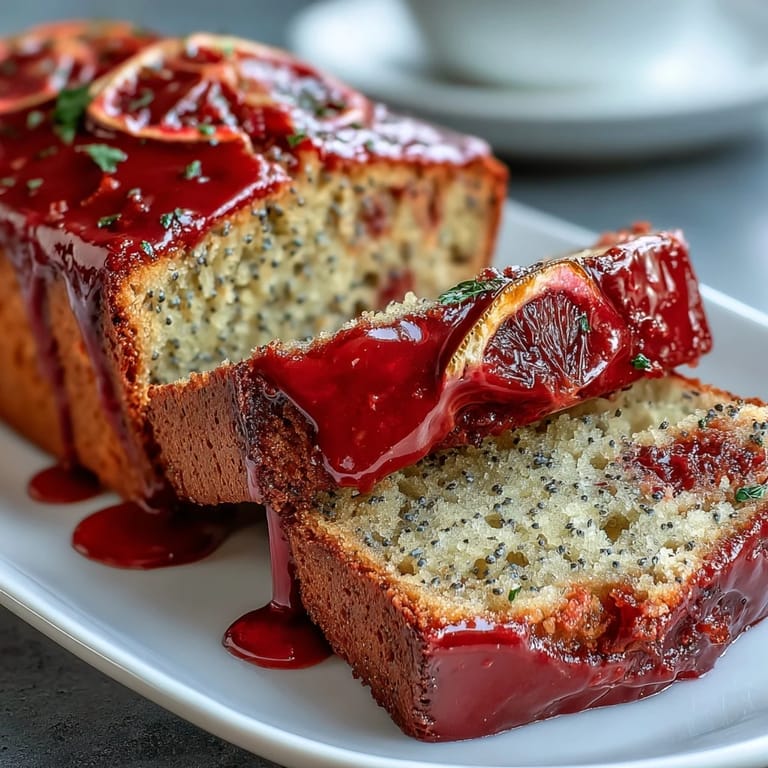
Save There's a moment when you slice into this cake and see that soft pink crumb studded with dark seeds and pale almond streaks, and it feels like you've made something truly special. I brought it to a brunch once, and someone asked if I'd ordered it from a bakery—I just smiled and poured more tea.
Choosing Your Blood Oranges
Not all blood oranges are created equal—some are deeply crimson inside, others just faintly blushed. I've learned to gently squeeze them at the market: the heavier ones tend to be juicier, and the skin should feel slightly pebbly, not smooth. If you can only find pale ones, the flavor will still be lovely, just a bit less dramatic in color. Don't worry too much about perfection—this cake is forgiving, and even the palest blood orange has that signature berry-citrus note that makes it worth seeking out.
Storing and Serving
This loaf stays wonderfully moist for up to three days at room temperature, wrapped tightly or stored in an airtight container—the marzipan really does its job. I like to slice it thick and serve it with a pot of Earl Grey, the bergamot playing beautifully with the citrus and almond. It also freezes well: wrap individual slices in plastic, then foil, and pull one out whenever you need a little midweek brightness. Just let it thaw at room temperature for an hour, and it tastes like you just baked it.
Make It Your Own
Once you've made this a few times, it becomes a template for all kinds of citrus adventures. I've swapped in Meyer lemon juice and zest for a sweeter, more floral version, and added a handful of fresh thyme leaves to the batter for an unexpected herbal note that made everyone ask for the recipe. You can also fold in a handful of chopped pistachios for crunch, or replace the marzipan with almond paste if you want a deeper, less sweet almond flavor.
- A splash of orange liqueur in the glaze adds a grown-up edge that's perfect for dinner parties.
- Try sprinkling the top with coarse sugar before baking for a crunchy, sparkly crust.
- If blood oranges aren't in season, regular oranges work too—just add a tiny squeeze of lemon for brightness.
 Save
Save This cake has become my go-to whenever I want to make something that feels special without spending all day in the kitchen. It's the kind of recipe that makes people lean in, ask questions, and linger a little longer at the table.
Recipe FAQs
- → Can I use regular oranges instead of blood oranges?
Yes, you can substitute regular oranges, though you'll lose the distinctive ruby color and slightly berry-like flavor. The cake will still be delicious with a more traditional citrus taste.
- → How do I know when the loaf cake is fully baked?
Insert a toothpick or skewer into the center of the cake. If it comes out clean or with just a few moist crumbs, the cake is done. The top should be golden and spring back when lightly pressed.
- → Can I freeze this loaf cake?
Absolutely. Wrap the unglazed, cooled cake tightly in plastic wrap and aluminum foil. Freeze for up to 3 months. Thaw at room temperature and add the glaze before serving.
- → What's the difference between marzipan and almond paste?
Marzipan contains more sugar and has a sweeter, smoother texture, while almond paste has a higher almond content and grainier texture. Both work in this cake, though almond paste will give a more pronounced almond flavor.
- → How should I store leftover cake?
Store in an airtight container at room temperature for 2-3 days. The cake stays moist thanks to the marzipan and citrus juice. Avoid refrigeration as it can dry out the crumb.
- → Can I make this cake dairy-free?
Yes, substitute the butter with plant-based butter and use a non-dairy milk like almond or oat milk. The texture will be slightly different but still delicious.