 Save
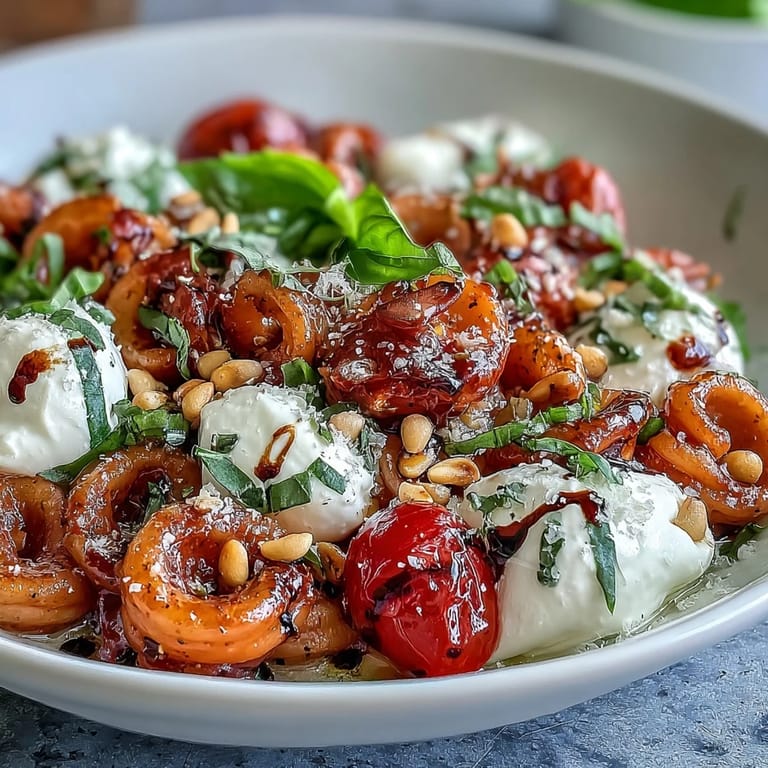
Save When summer rolls in and the markets brim with vibrant tomatoes, I can't resist making this pasta. Once, after a muggy afternoon spent chasing shade in the garden, the scent of basil clinging to my fingers pushed me to gather everything for an early dinner outside. The recipe came together almost by instinct—torn basil, silky burrata, juicy tomatoes—all bright on a backdrop of tender pasta. I love how the cheese oozes onto the warm fusilli, mingling with sweet-tart balsamic. Somehow, even a simple meal feels like a tiny celebration when the air is soft and fragrant with summer.
I remember one evening when friends arrived unexpectedly just before sunset, all suntanned and hungry from a day at the lake. We pooled our baskets of tomatoes and basil on the counter, and this pasta was our answer to effortless hospitality. Plates were passed, laughter got a little too loud, and nobody could stop scooping up extra burrata with crusty bread.
Ingredients
- Pasta: Short shapes like fusilli or rigatoni are best for holding the tomato juices and cheese, and I’ve learned to salt the water generously for flavor.
- Cherry Tomatoes: Opt for the smallest, ripest ones you can find—they’ll burst with sweetness and lend the perfect brightness.
- Extra-Virgin Olive Oil: Its peppery kick lifts the whole dish, so I splurge on good stuff here.
- Balsamic Glaze: A little drizzle rounds out the acidity and adds complexity, but don’t drown the pasta—it just needs a touch.
- Burrata Cheese: Tear this by hand rather than slicing for casual, creamy clusters on each bowl.
- Fresh Basil: Ripping by hand rather than chopping helps avoid bruising and releases its summery aroma.
- Flaky Sea Salt & Black Pepper: Seasoning at the right moment pulls everything together, so taste as you go.
- Pine Nuts (optional): Toasting them lightly adds contrast and crunch—just watch closely, as they brown quickly.
Tired of Takeout? 🥡
Get 10 meals you can make faster than delivery arrives. Seriously.
One email. No spam. Unsubscribe anytime.
Instructions
- Boil and Salt the Pasta:
- Fill your biggest pot with water, salt it so it tastes like the sea, and cook the pasta until perfectly al dente. Scoop out a little of the cooking water before draining—it’s liquid gold for creamy sauce later.
- Make the Tomato Mix:
- While the pasta cooks, toss your halved cherry tomatoes with olive oil, balsamic glaze, sea salt, and plenty of black pepper in a big bowl, listening for the soft squish as the juices release.
- Toss it All Together:
- Add the drained hot pasta straight into the tomato mixture, swirling everything together so the pasta shines. If it looks dry, a splash of reserved pasta water makes it silky.
- Assemble and Top:
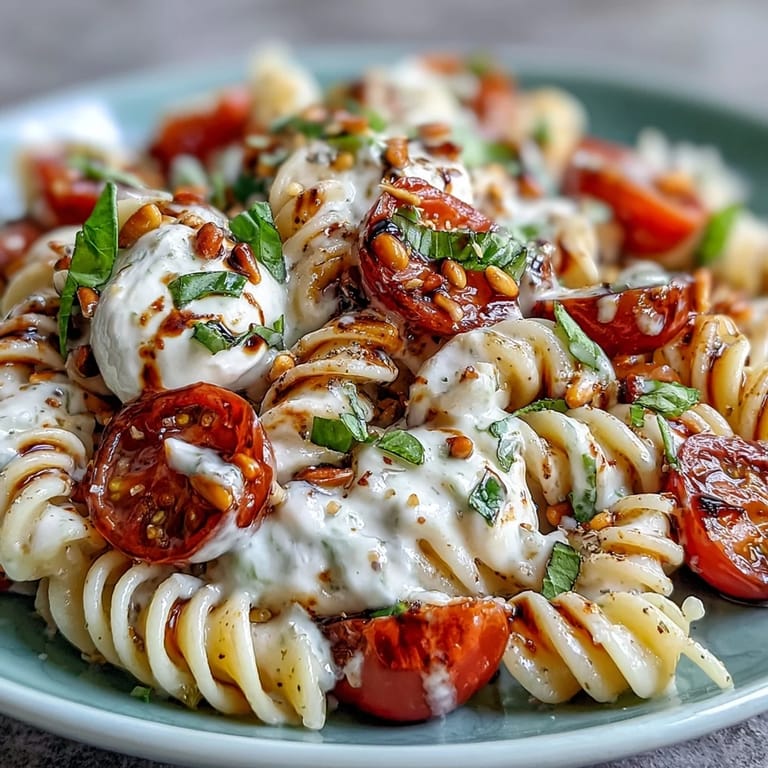
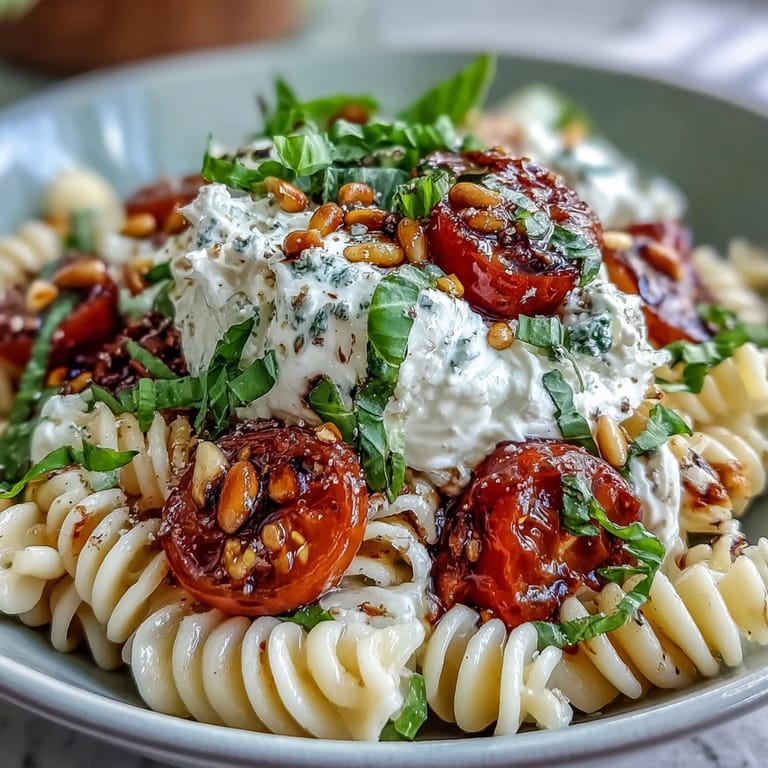
- Divide the pasta onto plates, then tear open the burrata, letting it ooze decadently over each portion. Scatter with basil and pine nuts, and finish with another delicate drizzle of balsamic glaze and olive oil.
- Serve Right Away:
- Enjoy while the cheese is still cool and creamy and the tomatoes are bursting with freshness—don’t wait, this dish is all about immediacy!
 Save
Save 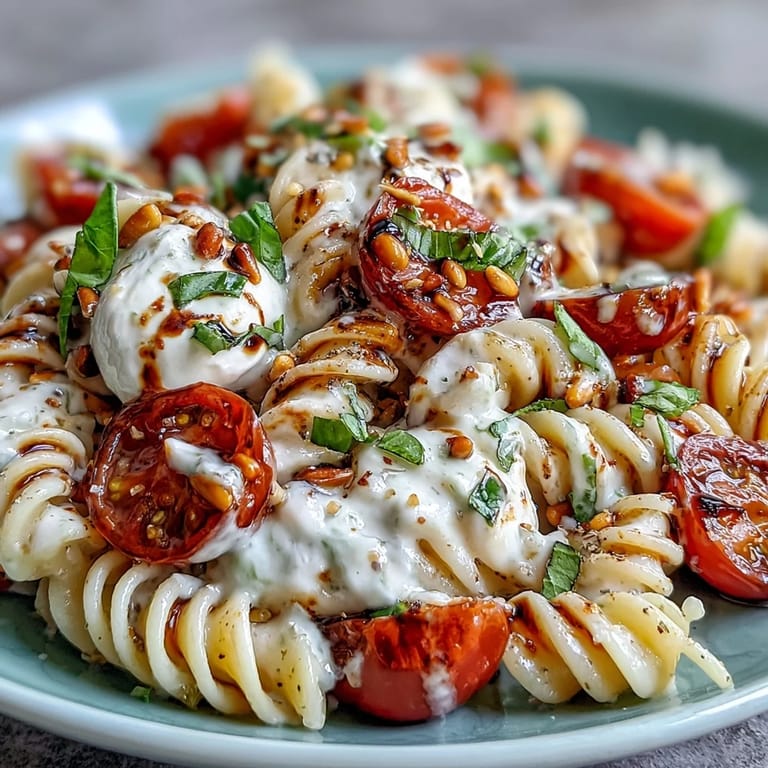 Save
Save The summer I first made this, my neighbor popped her head over the fence just as I brought out a platter. We exchanged bowls through the gate, practically trading tomato secrets by forkful, and I realized food this simple could be a tiny bridge between old friends and new ones.
Getting That Just-Right Creaminess
The reserved pasta water might seem like an afterthought, but swirling in even a splash can transform everything. It binds the oil and tomato juices, creating a glossy coating that carries the burrata into every twist of pasta. I learned this after a few dry first tries—now I always trust my eyes and add a bit more if needed.
Choosing and Prepping Burrata
Burrata’s delicate skin can break easily, so I handle it gently, and I always tear rather than cut for the softest texture. Bringing it to room temperature about 30 minutes before serving lets it melt into the sauce, rather than stay cold and stiff atop the pasta.
Pasta Night Game-Changers
Even classic recipes are fair game for improvising. Some nights I add roasted red pepper ribbons or a handful of arugula, just to keep things new and lively. Let the season and your mood guide you, but hold onto those summery tomatoes—they’re the true star here.
- If your kitchen is hot, chill the mixing bowl for a few minutes before tossing everything together.
- Only toast as many pine nuts as you’ll eat—leftovers don’t stay crisp.
- Drizzle the balsamic glaze just before serving to keep the flavors fresh and defined.
 Save
Save 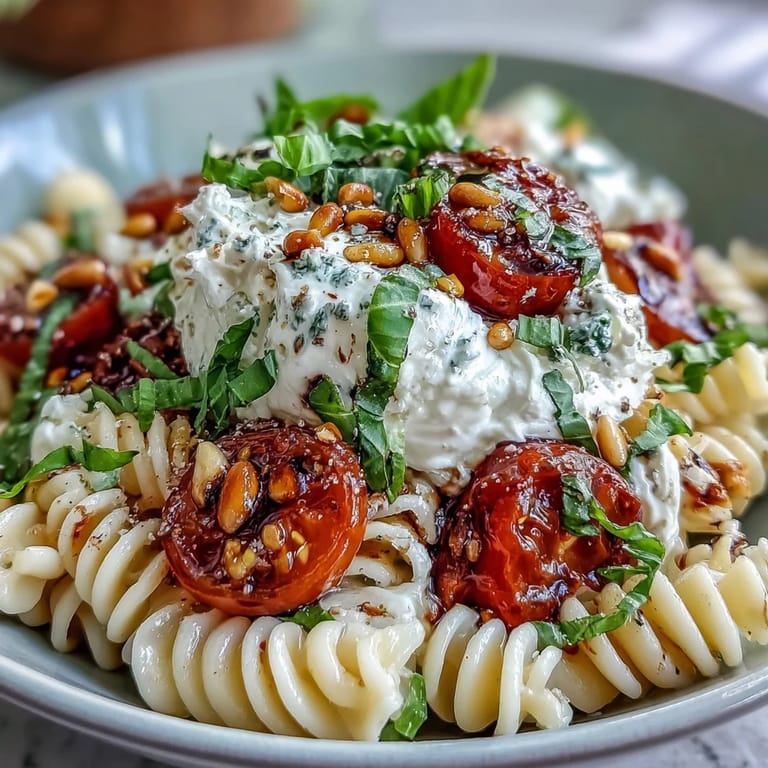 Save
Save Here’s to pasta bowls spilling over with color and joy—may you find as much contentment in making and sharing this dish as I do.
Recipe FAQs
- → How do I keep burrata creamy when serving?
Bring the burrata to room temperature before plating and tear it over the warm pasta just before serving. The contrast between warm pasta and cool, creamy cheese creates the best texture and mouthfeel.
- → Can I substitute the burrata with another cheese?
Yes—fresh mozzarella is a common swap. It will be firmer and less creamy inside, so consider adding a small knob of mascarpone or a splash of reserved pasta water to mimic burrata's silkiness.
- → Why reserve pasta water and how much should I use?
Starchy pasta water helps bind the oil and tomato juices into a glossy sauce. Start with a few tablespoons and add as needed to reach a silky coating without watering down the flavors.
- → Which pasta shapes work best here?
Short shapes with nooks—fusilli, rigatoni, penne or cavatappi—catch the tomato pieces and sauce. Thin long pasta can work but toss more gently to keep the tomatoes intact.
- → How should I toast pine nuts without burning them?
Toast pine nuts in a dry skillet over medium-low heat, stirring constantly for 2–4 minutes, until they turn golden and fragrant. Remove promptly to stop residual cooking.
- → Can this be prepared ahead for a gathering?
Prepare the tomato mix and cook the pasta just before serving. You can toss tomatoes with oil and glaze up to a few hours ahead; add hot pasta and burrata at the last minute for best texture and temperature contrast.