 Save
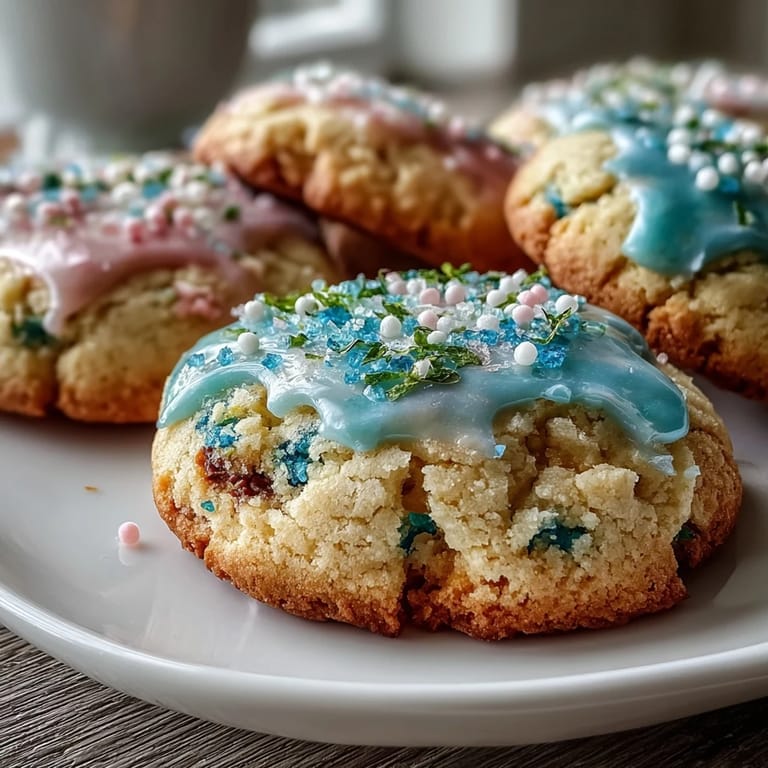
Save The first time I baked these lemon sugar cookies, the kitchen was filled with zesty citrus scent that clung to my hands. It felt almost like a playful spring afternoon inside, despite rain tapping at the window. I remember pausing mid-beating to taste the dough — puckery, sweet, and bright, almost better than the cookies themselves. Glazing them in pastel colors made me grin, as the process was unexpectedly calming and a little messy. Even the sound of the mixer seemed lighter as I prepared these cookies for a small celebration.
I made these cookies for an impromptu afternoon tea with a neighbor, and we ended up swapping stories while piping pastel lines across each batch. The cookies disappeared quickly, but the laughter lingered — something about the lemon flavor seemed to spark conversation and good moods. Watching our children decorate theirs, I realized these cookies have a way of turning any moment into a little memory.
Ingredients
- All-purpose flour: Gives the cookies structure; sifting ensures a lighter, less dense texture.
- Baking powder: Lifts each cookie so they don’t turn out flat or heavy.
- Fine sea salt: Just enough to balance the sweetness and enhance the lemon flavor.
- Unsalted butter: For richness; let it soften fully so it creams easily into the sugar.
- Granulated sugar: The sweetness balances the tartness of lemon and helps the cookies crisp around the edges.
- Egg: Binds everything together and adds moisture.
- Fresh lemon juice: Real juice makes the flavor pure and vibrant; bottled juice won’t be as lively.
- Finely grated lemon zest: Packs fragrant citrus oil into the dough for extra zing.
- Pure vanilla extract: Rounds out the lemon, adding warmth and depth.
- Powdered sugar (for glaze): Sifting prevents lumps and gives a glassy finish.
- Milk (whole or 2%): Adjust for your desired glaze consistency; too much thins it, too little leaves it thick.
- Fresh lemon juice (for glaze): Amplifies the aroma and tang in every drizzle.
- Food coloring (pastel): Only a drop or two — too much and the shade loses its springtime charm.
Tired of Takeout? 🥡
Get 10 meals you can make faster than delivery arrives. Seriously.
One email. No spam. Unsubscribe anytime.
Instructions
- Preheat and Prepare:
- Set your oven to 350°F and line baking sheets with parchment, enjoying the anticipation as you gather ingredients.
- Mix Dry Ingredients:
- In a bowl, whisk flour, baking powder, and salt until airy and uniform; the sound is almost musical.
- Cream Butter and Sugar:
- Beat the softened butter with sugar until it turns pale and fluffy, pausing to scrape down the sides and admire the creamy texture.
- Add Wet Ingredients:
- Drop in the egg, lemon juice, zest, and vanilla, then beat gently; the fragrance will briefly fill the room.
- Combine Mixtures:
- Add dry ingredients in batches, mixing just until the dough holds together — resisting the urge to overwork is key.
- Form Cookies:
- Scoop tablespoon-sized dough balls onto the sheets, spacing evenly; flatten each with your palm for a rustic touch.
- Bake Cookies:
- Let them bake 10–12 minutes, watching for the edges to turn golden and inhaling the lemon aroma as the cookies rise.
- Cool Down:
- Rest on the tray for 5 minutes, then transfer gently to a wire rack; the cookies are delicate while warm.
- Make the Glaze:
- Whisk powdered sugar, milk, and lemon juice until smooth, adjusting milk for a silky finish.
- Tint and Decorate:
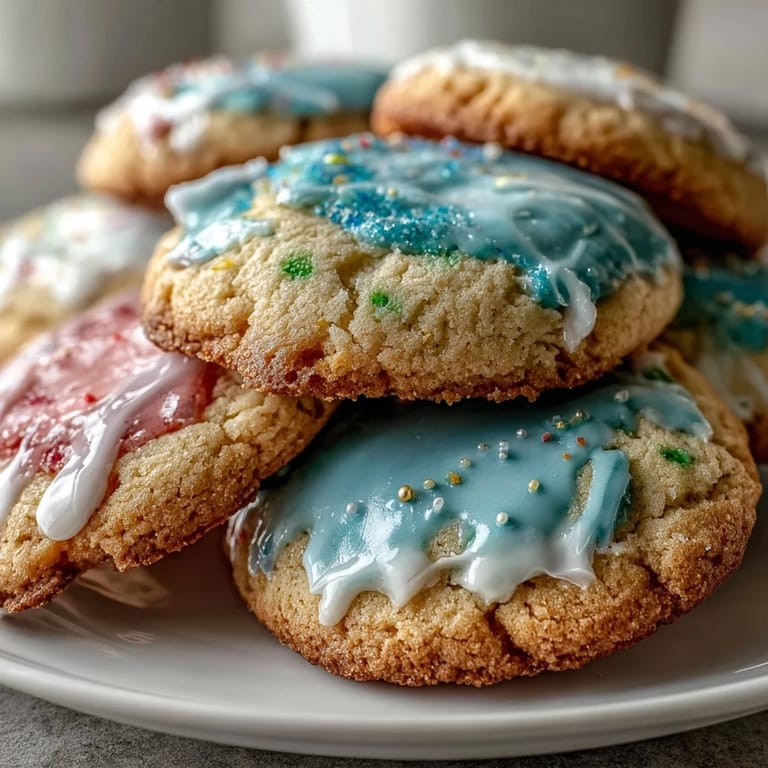
- Divide glaze and add a drop of pastel food coloring to each bowl; then dip or drizzle over cooled cookies, letting your creativity guide you.
- Set and Serve:
- Let glaze firm up for 20 minutes, resisting the temptation to taste too early, then share or store as you wish.
 Save
Save One spring evening, after decorating a batch with pastel shades, my best friend and I ended up talking about life for hours — somehow, holding a lemon cookie made everything feel lighter. It became our silly tradition: if the cookies come out too bright, it means we need to make time to catch up soon.
How to Achieve the Perfect Pastel Glaze
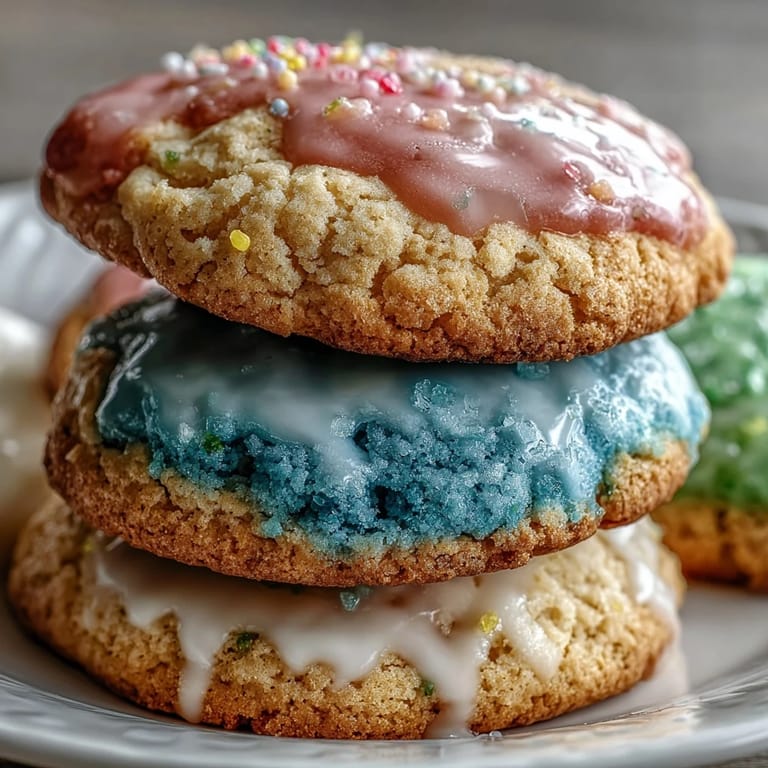
Finding that just-right shade is all about restraint; one drop more of coloring sends the glaze from gentle to garish. I learned to swirl with a small spoon and stop as soon as the color looked soft enough for spring. Letting the glaze set without touching helps keep the finish glossy and delicate.
The Art of Lemon Flavor Balance
Sometimes, I sneak an extra bit of zest into the dough when I crave more tang. Taste the dough before baking — it should be bright, not harsh or sour. Balanced cookies invite smiles and second helpings every time.
Spring Cookie Decorating Made Simple
When decorating, lay parchment underneath for easy cleanup and dip cookies gently to avoid cracking. Sprinkles or blooms give a festive touch, and inviting kids to help turns it into a joyful kitchen event.
- Add edible flowers or pastel sprinkles while glaze is wet.
- Let cookies dry completely before stacking or storing.
- If the glaze is too thick, add milk a teaspoon at a time.
 Save
Save Whether shared at a spring party or savored solo with tea, these lemon cookies brighten the mood. Enjoy every sweet, citrusy bite and let your creativity blossom.
Recipe FAQs
- → How do I achieve the pastel glaze colors?
Use a drop of pastel food coloring in each portion of glaze and mix thoroughly for desired shades.
- → Can I add more lemon flavor?
Include a few drops of lemon extract in the glaze or extra zest in the dough for enhanced citrus intensity.
- → Are these cookies suitable for vegetarians?
Yes, the ingredients are vegetarian-friendly, including butter, milk, and egg.
- → What’s the best way to store these treats?
Keep cookies in an airtight container at room temperature to maintain freshness for up to four days.
- → Can I freeze the dough for later baking?
Yes, shape the dough into balls and freeze; bake directly from frozen, adding a few extra minutes.
- → What decorations suit a festive spring theme?
Pastel sprinkles, edible flowers, or shaped sugar decorations complement the glaze beautifully.