 Save
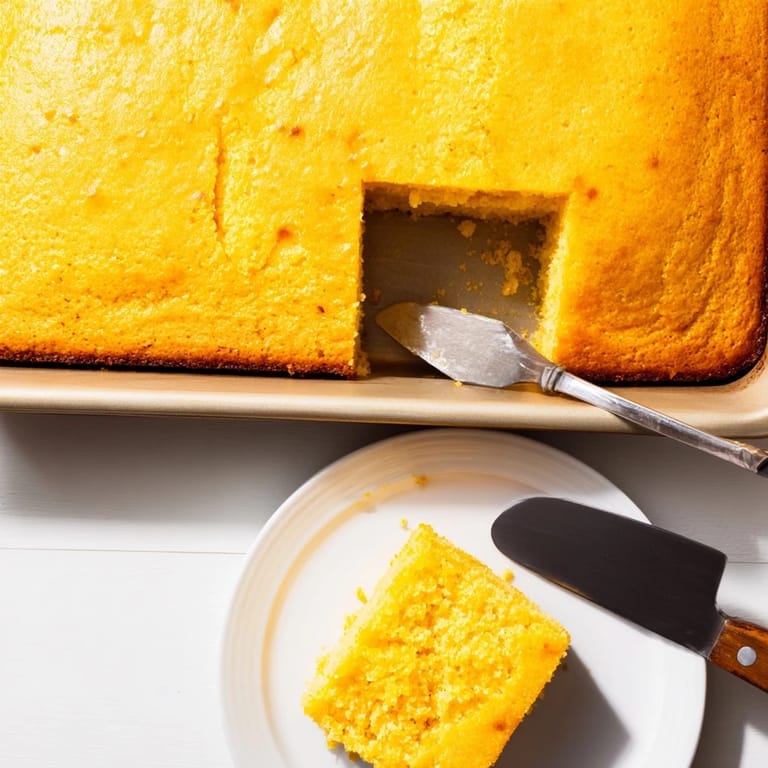
Save The winter I learned to make proper cornbread, my tiny apartment had a radiator that hissed like an angry cat and windows that rattled whenever the wind picked up. I'd started craving something warm and comforting after long shifts at work, something that could make the whole place smell like home. After three attempts that turned out either too dry or strangely dense, I finally understood that cornbread rewards gentle hands and respect for temperature. Now the scent of baking cornbread still makes me think of that drafty kitchen and the first time I pulled out a skillet of golden, tender bread that actually worked.
Last summer, my neighbor Sarah came over with a pot of her award-winning chili and casually mentioned she'd never had homemade cornbread that wasn't dry or grainy. I whipped this up while she stirred the chili on the stove, and when she took that first bite, her eyes went wide. She called me the next morning to say her teenage son had eaten three pieces with breakfast and demanded the recipe. Now it's our agreed-upon contribution to every neighborhood potluck.
Ingredients
- Yellow cornmeal: Stone-ground gives you the best texture and flavor, but regular cornmeal works fine too
- All-purpose flour: Provides structure so the bread holds together without being tough
- Granulated sugar: Just enough to balance the corn's natural sweetness without making it dessert-like
- Baking powder and baking soda: This double-acting combination ensures a good rise and tender crumb
- Fine sea salt: Enhances all the flavors and keeps the bread from tasting flat
- Whole milk or buttermilk: Buttermilk adds tang and tenderness, but whole milk gives you a more neutral, classic flavor
- Large eggs: Room temperature eggs incorporate better and help the bread rise evenly
- Unsalted butter: Melted and slightly cooled so it doesn't scramble the eggs when you mix everything together
- Vegetable oil: Keeps the bread moist and tender, even after it cools completely
- Honey: Optional, but it adds a subtle warmth and helps the crust caramelize beautifully
Tired of Takeout? 🥡
Get 10 meals you can make faster than delivery arrives. Seriously.
One email. No spam. Unsubscribe anytime.
Instructions
- Preheat your oven:
- Crank it to 400°F and generously butter an 8-inch square pan or, even better, a 9-inch cast-iron skillet
- Mix the dry ingredients:
- Whisk together your cornmeal, flour, sugar, baking powder, baking soda, and salt until everything is evenly distributed
- Combine the wet ingredients:
- In a separate bowl, whisk the milk, eggs, melted butter, oil, and honey until the mixture is smooth and homogeneous
- Gently bring it together:
- Pour the wet ingredients into the dry and fold with a spatula until just combined, some small lumps are perfectly fine
- Bake until golden:
- Spread the batter in your prepared pan and bake for 20 to 25 minutes until the top is beautifully golden and a toothpick comes out clean
- Let it rest briefly:
- Cool for 10 minutes before slicing, this waiting period is the hardest part but makes all the difference
 Save
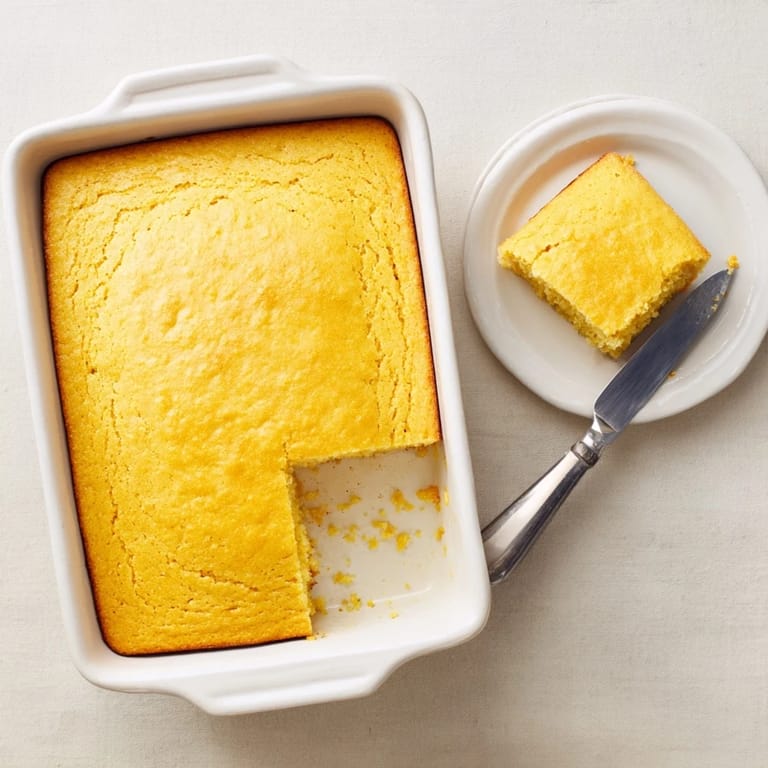
Save My mother-in-law, who grew up in Tennessee, tasted this once and immediately asked for the recipe. She said it reminded her of Sunday dinners at her grandmother's house, except this version was somehow lighter and less greasy. Now she makes it for every family gathering and tells everyone it's my recipe, which might be the highest compliment I've ever received.
Making It Your Own
The beauty of cornbread is how well it takes to additions. Shredded sharp cheddar and fresh jalapeños turn it into something completely different, while a handful of fresh corn kernels makes it taste even more like summer. I once added crumbled bacon and found out that sweet and smoky cornbread is apparently life-changing.
Serving Suggestions
Warm cornbread with a generous smear of salted butter is basically perfect on its own, but it also pairs beautifully with honey butter for extra sweetness. It soaks up chili and bean soups like nothing else, and leftover slices make excellent breakfast when toasted and topped with fried eggs.
Storage And Reheating
Cornbread is best the day it's made, but it keeps well wrapped at room temperature for two days. After that, wrap individual slices and freeze them for up to three months.
- Reheat frozen cornbread in a 350°F oven for about 10 minutes
- A quick stint in the toaster brings back the crusty exterior nicely
- Avoid microwaving unless you absolutely must, it makes the texture sad and gummy
 Save
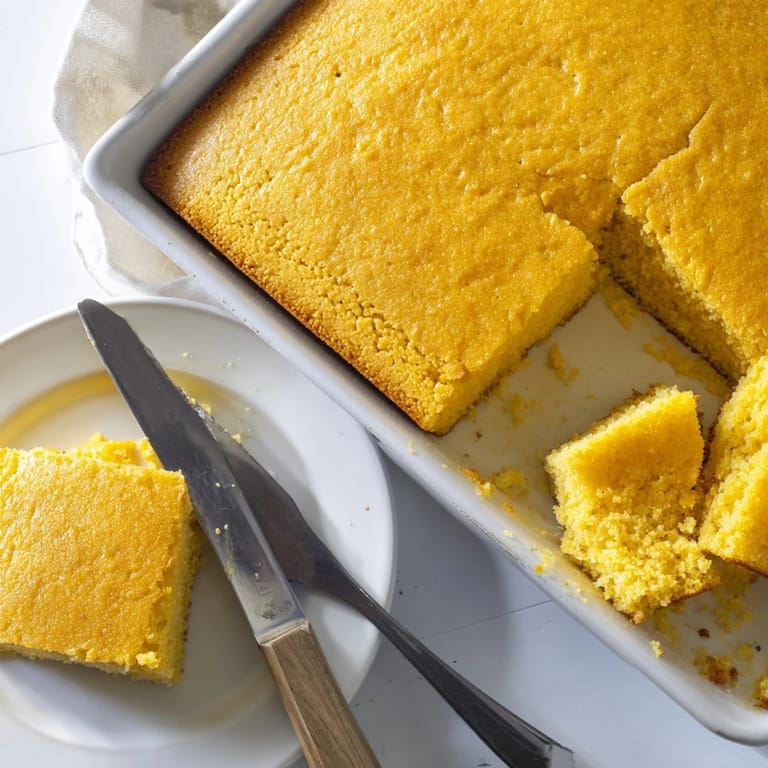
Save There is something deeply satisfying about pulling a skillet of golden cornbread out of the oven, the honey aroma filling the whole kitchen. Hope this recipe becomes a staple in your home too.
Recipe FAQs
- → What makes cornbread moist instead of dry?
The combination of whole milk, melted butter, vegetable oil, eggs, and honey keeps this cornbread exceptionally moist. Avoiding overmixing the batter also prevents a tough, dry texture.
- → Can I use buttermilk instead of regular milk?
Absolutely! Buttermilk adds a pleasant tanginess and creates an even more tender crumb. The acidity also helps activate the baking powder and soda for better rise.
- → Why is my cornbread crumbly?
Slight crumbliness is normal and expected for cornbread due to the cornmeal. However, excessive crumbling might indicate overbaking or too little fat. Ensure you measure flour correctly and don't overmix.
- → Can I make this cornbread gluten-free?
Yes! Simply substitute the all-purpose flour with a 1:1 gluten-free flour blend. The texture remains excellent, and those with gluten sensitivity can still enjoy this classic bread.
- → Should I use a cast-iron skillet or baking pan?
A cast-iron skillet creates an unbeatable crispy crust, especially if preheated in the oven before adding the batter. A square pan works perfectly well and produces evenly baked results with slightly softer edges.
- → How do I store leftover cornbread?
Wrap cooled cornbread tightly in plastic wrap or store in an airtight container at room temperature for up to 2 days. For longer storage, refrigerate for up to a week or freeze individually wrapped slices for 3 months.