 Save
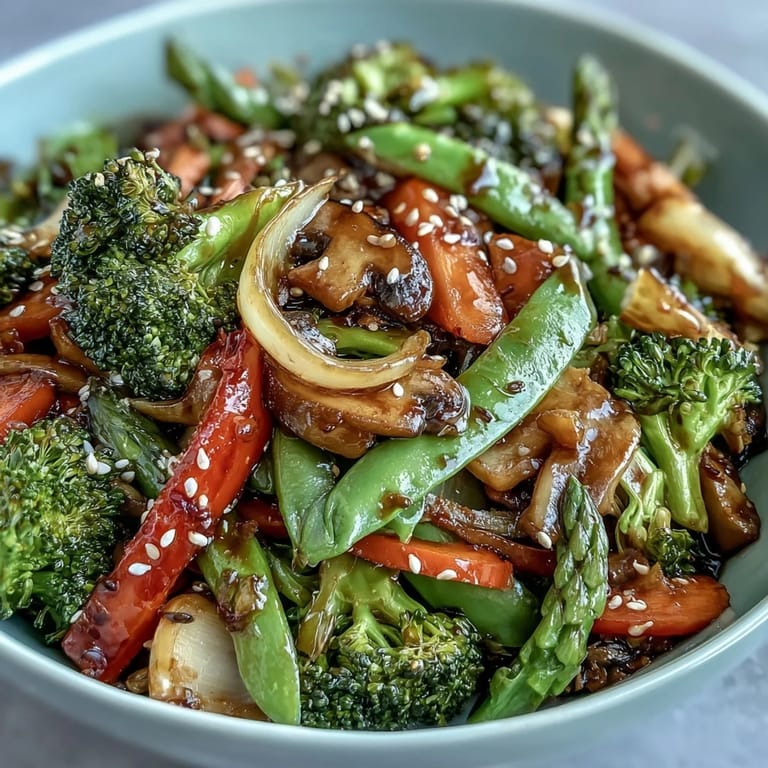
Save My kitchen filled with that unmistakable ginger aroma one weeknight when I needed dinner in under thirty minutes and wanted something that actually felt special. I'd grabbed a knob of fresh ginger at the market almost by accident, and that single ingredient transformed what could've been just another vegetable side into something my whole family requested by name. There's something about the way ginger announces itself in a hot pan—sharp, warm, almost alive—that makes you feel like you're cooking something worth the effort.
I made this for my friend who'd mentioned being tired of takeout, and watching her face when she tasted the brightness of the fresh ginger made me realize how much a simple ingredient list can deliver when everything's done right. She asked if I'd used a wok, and when I admitted I used my old skillet, she laughed and said it didn't matter—the food was what counted. That stuck with me.
Ingredients
- Broccoli florets: Cut them smaller than you think you need to—they cook faster and soak up the sauce better when they're bite-sized.
- Sliced carrots: Thin slices mean they stay crisp instead of turning soft, which is the whole point of stir-frying.
- Red bell pepper: The color matters here, both visually and for that subtle sweetness that balances the ginger.
- Snap peas: Add these late in cooking so they keep their snap and don't turn to mush.
- Yellow onion, thinly sliced: Thin is crucial—thick pieces won't cook through in the time you've got.
- Sliced mushrooms: They'll release moisture as they cook, which actually seasons the whole dish.
- Fresh ginger, finely grated: This is non-negotiable—pre-ground ginger tastes like cardboard compared to what you get fresh, and the extra thirty seconds of grating is worth every bit.
- Garlic, minced: Three cloves feels generous until it hits the hot oil, then it becomes the perfect backbone for everything else.
- Soy sauce: The salt anchor of the whole dish, use tamari if you need gluten-free and don't apologize for it.
- Sesame oil: Just a tablespoon delivers more flavor than pouring it would, which is why restraint matters here.
- Vegetable oil: The high-heat workhorse that lets the pan get hot enough to actually sear things.
- Rice vinegar: A splash of brightness that keeps the sauce from feeling heavy.
- Maple syrup or honey: A teaspoon might sound small, but it rounds out the salt and vinegar into something that tastes intentional.
- Red pepper flakes: Optional, but they add a whisper of heat that lingers pleasantly at the back of your mouth.
- Green onions: Scattered on top at the end, they stay fresh and add a conversation between cooked and raw.
- Toasted sesame seeds: The finishing touch that makes people think you spent hours on this.
Tired of Takeout? 🥡
Get 10 meals you can make faster than delivery arrives. Seriously.
One email. No spam. Unsubscribe anytime.
Instructions
- Mix your sauce first:
- Whisk soy sauce, rice vinegar, maple syrup, and red pepper flakes together in a small bowl and step away from it—this is your safety net, already waiting when things get moving fast on the stove. Having it ready means you're never caught off guard when the vegetables are nearly done.
- Get your pan properly hot:
- Pour both the vegetable oil and sesame oil into a large skillet or wok over medium-high heat and let it sit for a minute until you see the faintest shimmer and smell that hot-oil readiness. This matters more than you'd think—a cold pan is the enemy of a good stir-fry.
- Wake up the ginger and garlic:
- Add your grated ginger and minced garlic to the hot oil and stir constantly for about thirty seconds—you're listening for the sizzle to intensify and watching for that moment when your kitchen smells incredibly alive. Don't walk away or get distracted; thirty seconds is all you get before things can tip from fragrant to burnt.
- Start with the harder vegetables:
- Toss in your onion, carrots, and broccoli and keep stirring for two to three minutes, aiming for that moment when they've started to soften at the edges but still have resistance when you bite one. The sound should be a constant gentle sizzle, not a roar and not a whisper.
- Add the quicker vegetables:
- Slide in your bell pepper, snap peas, and mushrooms and continue stir-frying for another three to four minutes, using your wooden spoon or spatula to keep everything moving and coated in oil. You're aiming for crisp-tender, which means they should still have a little fight when you bite them.
- Pour in the sauce and coat everything:
- Add your prepared sauce to the pan and toss everything together for another minute or two until it's heated through and all the vegetables are glossy and coated. The sauce should smell amazing at this point, almost sticky in a good way.
- Finish and serve immediately:
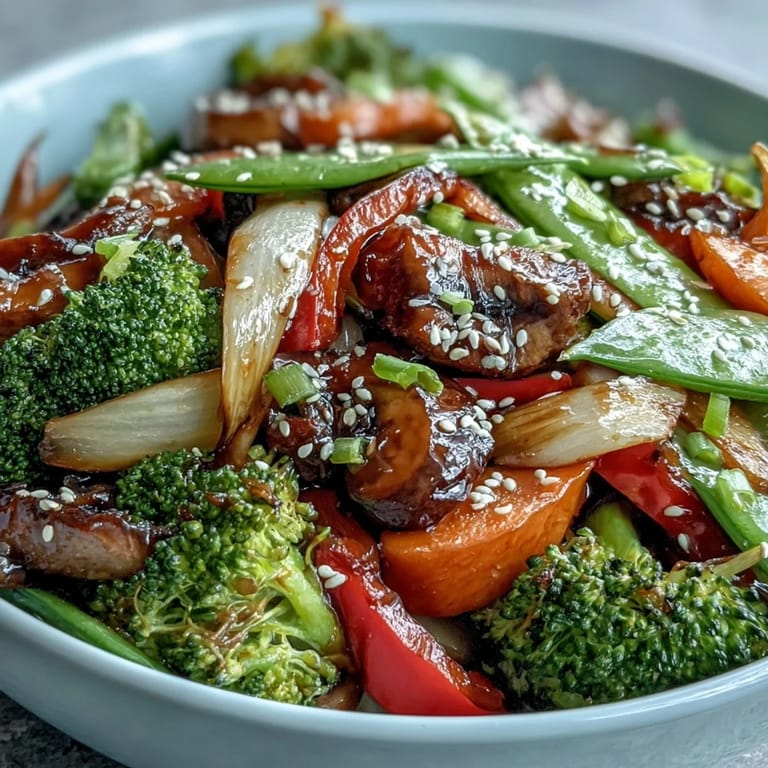
- Remove from heat, scatter your sliced green onions and toasted sesame seeds over the top, and serve right away while everything's still warm and the vegetables still have their personality. If you let it sit, they'll keep softening and you'll lose that contrast you worked for.
 Save
Save There was an evening when my teenage daughter actually put her phone down to eat this without being asked, and she asked if I could make it again the next day. That moment—when food becomes something someone wants to gather around instead of just fuel—that's when I knew this recipe was worth keeping.
Why Ginger Changes Everything
Ginger isn't just a spice you add to a recipe; it's almost a personality that shapes how you taste everything else in the pan. Fresh ginger has this sharp, warming quality that makes your mouth wake up, and when you pair it with the umami from soy sauce and the nuttiness of sesame oil, you get something that tastes far more complex than the ingredient list suggests. I learned this by accident the first time I forgot to add ginger and realized halfway through eating that something essential was missing—the sauce tasted flat and one-dimensional.
Building Flavor Without Heaviness
The magic of this stir-fry is that it tastes indulgent and deeply savory without making you feel weighed down afterward, which is something I've come to crave more as I've gotten older. The rice vinegar and maple syrup work together to brighten the soy sauce so it doesn't become cloying, and the sesame oil adds richness without volume. I used to think you needed cream or butter or something heavy to make food taste special, but this dish taught me that balance and freshness can be just as satisfying.
Serving and Adaptations That Actually Work
Serve this over jasmine rice if you want something fragrant and delicate, or brown rice if you're thinking about nutrition, or noodles if you want it to feel more like a meal and less like a side. The vegetables hold their shape and flavor beautifully, so the stir-fry stays interesting no matter what you put it on top of. I've added crumbled tofu more times than I can count, and it absorbs the sauce and ginger so completely that it feels like part of the original recipe.
- Any of your favorite vegetables work here—zucchini, bok choy, asparagus, water chestnuts—just adjust the cooking times slightly based on how dense they are.
- Make the sauce earlier in the day if you're doing meal prep, and everything stays stable until you need it.
- If you're cooking for someone with a gluten allergy, tamari swaps in seamlessly and tastes just as good.
 Save
Save This recipe lives on my regular rotation because it asks for so little and gives back so much—a quick meal that tastes intentional and makes people feel cared for. Make it once and you'll understand why.
Recipe FAQs
- → What vegetables work best in stir-fry?
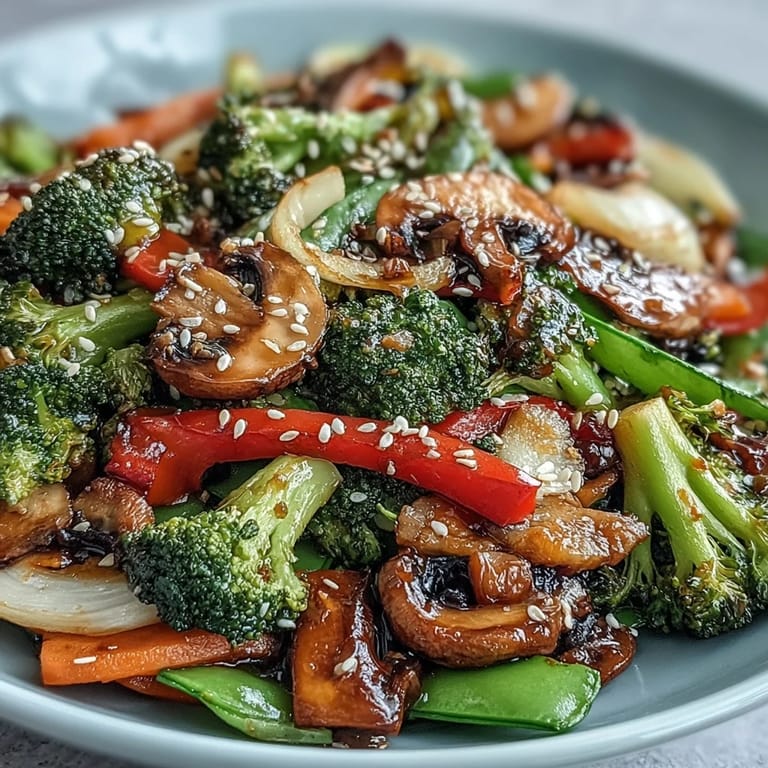
Broccoli, carrots, bell peppers, snap peas, and mushrooms are excellent choices as they maintain their crisp-tender texture when cooked quickly over high heat.
- → How do I prevent vegetables from becoming soggy?
Keep the heat at medium-high, avoid overcrowding the pan, and cook in batches if needed. Vegetables should be stir-fried just until crisp-tender, not soft.
- → Can I make this gluten-free?
Simply substitute regular soy sauce with tamari or coconut aminos. Both provide the same savory flavor while being completely gluten-free.
- → What protein additions work well?
Crispy tofu, tempeh, edamame, or cashews complement the flavors beautifully. Add protein during the last few minutes of cooking or serve alongside.
- → How long does fresh ginger stay potent?
Unpeeled fresh ginger keeps for several weeks in the refrigerator. For longer storage, freeze peeled grated ginger in ice cube trays for up to 6 months.