 Save
Save There's something about the smell of orange zest hitting warm dough that stops me mid-morning. I developed these rolls on a Tuesday when my kitchen felt too quiet, and I wanted to shake things up from the usual cinnamon routine. The bright citrus combined with that pillowy soft dough became my answer to those mornings when breakfast needed to feel like a small celebration. What started as an experiment with leftover oranges turned into something I now make whenever I want to impress people or simply remind myself why I love baking.
I made these for my neighbor one Saturday morning after she mentioned feeling stuck in a breakfast rut, and watching her face light up when she tasted that first roll made the two-hour process completely worth it. She took photos for her family group chat, and suddenly I was getting requests. Now whenever I bake a batch, I think of that morning and how food has this quiet power to change someone's day.
Ingredients
- All-purpose flour (3 1/4 cups): The backbone of tender rolls; using exact weight prevents dense results that come from scooping directly from the bag.
- Granulated sugar (1/4 cup for dough, 1/2 cup for filling): Feeds the yeast and creates structure, but don't skimp on the filling sugar because it's what caramelizes slightly at the edges during baking.
- Active dry yeast (2 1/4 tsp): This amount works perfectly for the dough volume; I always check the expiration date because stale yeast leads to sad, flat rolls.
- Salt (1/2 tsp): Enhances flavor and strengthens gluten; it's easy to forget but makes a noticeable difference in texture.
- Orange zest (fresh, from about 3 large oranges total): The soul of these rolls; use a microplane for fine zest that distributes evenly rather than large shreds that feel gritty.
- Whole milk (1/2 cup, warmed): Warmth activates yeast, but anything hotter than 110°F kills it, so I always use a thermometer.
- Fresh orange juice (1/4 cup): Adds subtle acidity and flavor; freshly squeezed makes a real difference compared to bottled.
- Unsalted butter (1/4 cup melted for dough, 1/4 cup softened for filling): The melted version incorporates smoothly into dough, while softened butter spreads easier on the rolled rectangle.
- Large eggs (2, room temperature): Room temperature eggs blend seamlessly into the dough rather than cooling it down unexpectedly.
- Cream cheese (4 oz, softened): Must be softened or it creates lumps in the frosting that no amount of beating will fix.
- Powdered sugar (1 1/4 cups): Sifting prevents lumps, though I sometimes whisk it vigorously through a fine mesh strainer when I'm in a hurry.
- Vanilla extract (1/2 tsp): A tiny amount rounds out the citrus without making it taste like vanilla cake frosting.
Tired of Takeout? 🥡
Get 10 meals you can make faster than delivery arrives. Seriously.
One email. No spam. Unsubscribe anytime.
Instructions
- Create your yeast mixture:
- Combine warm milk, orange juice, sugar, and yeast in a large bowl and wait 5 to 10 minutes until it foams actively—this foam tells you the yeast is alive and ready to work. If nothing happens, your yeast is dead and it's time to start over with fresh packets.
- Build the dough base:
- Stir melted butter, orange zest, eggs, and salt into the foamy mixture until everything is loosely combined. This is when your kitchen first smells unmistakably citrusy and breakfast-like.
- Bring dough together:
- Add flour gradually while mixing, stopping when a soft, slightly sticky dough forms rather than a stiff ball. Knead for 8 to 10 minutes by hand or with a dough hook until the dough becomes smooth, elastic, and springs back when you poke it.
- First rise:
- Place dough in a greased bowl, cover with a damp towel, and let it sit in a warm spot (I use my turned-off oven with the light on) until it roughly doubles in size, about 1 hour. You'll know it's ready when your finger leaves a slight indent that doesn't spring back immediately.
- Prepare the filling:
- Mix sugar and orange zest together in a small bowl and let sit for a few minutes so the zest oils distribute throughout the sugar, turning it fragrant and slightly damp. This step transforms plain sugar into something that tastes decidedly orange.
- Shape the rolls:
- Punch down the risen dough, turn it onto a lightly floured surface, and roll into a 16-by-10-inch rectangle using a rolling pin. Spread softened butter evenly over the entire surface, then sprinkle the orange-sugar mixture in an even layer.
- Roll and cut:
- Starting from one long side, roll the dough tightly into a log, using a bench scraper to help keep tension as you roll. Cut into 12 equal pieces using a sharp knife dipped in water (or dental floss pulled taut), which prevents the filling from squishing out.
- Second rise:
- Arrange rolls in a greased 9-by-13-inch baking dish, cover loosely with plastic wrap, and let them rise until puffy and touching each other, about 30 to 40 minutes. They're ready to bake when they look almost too full of themselves.
- Bake:
- Preheat your oven to 350°F and bake the rolls for 22 to 25 minutes until the tops turn golden brown but the insides stay tender. They'll smell incredible, and you'll want to eat one immediately—don't, because they're molten inside.
- Make the frosting:
- While rolls bake, beat softened cream cheese and butter together until completely smooth, then add powdered sugar, orange juice, zest, vanilla, and salt. Beat until the frosting is creamy and spreadable, with no lumps of cream cheese visible.
- Finish:
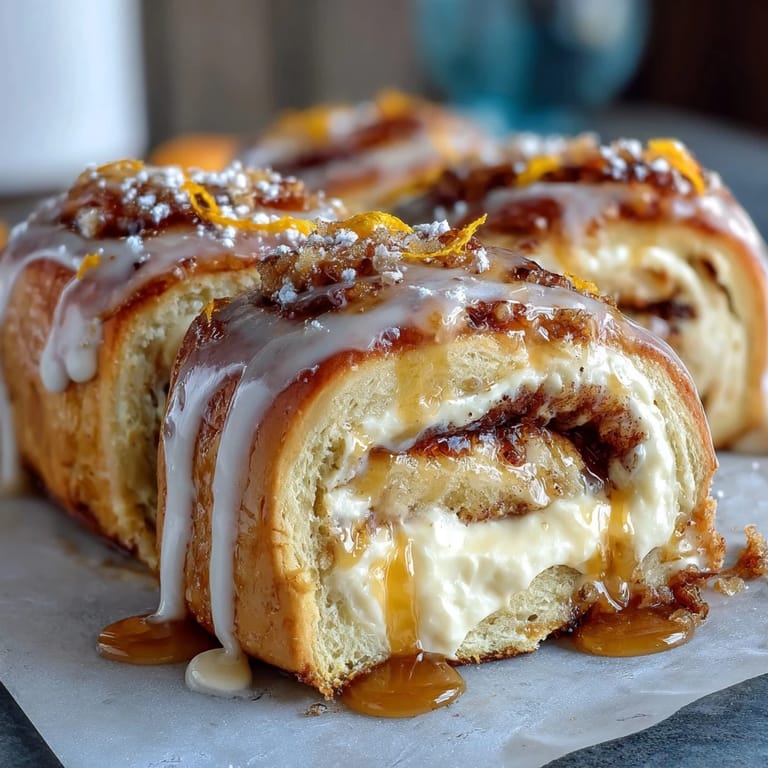
- Let rolls cool for exactly 10 minutes so the frosting doesn't melt into nothing, then spread generously over warm rolls so it softens slightly into all the crevices. This is the moment they transform from good rolls into something unforgettable.
 Save
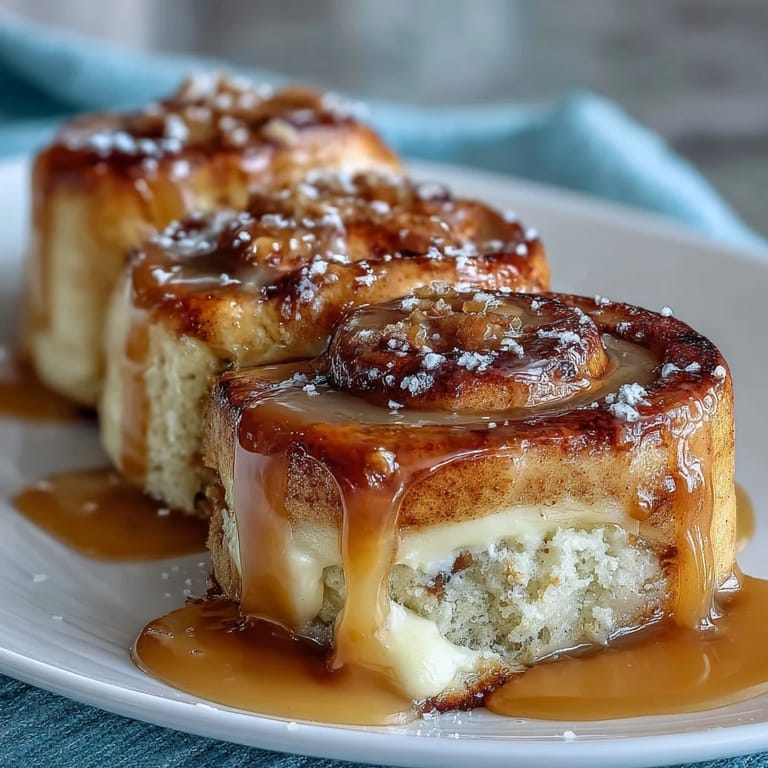
Save My sister once told me these rolls reminded her of a bakery she visited in Barcelona, even though the flavors are completely different—I think she was really saying they felt special and made the morning feel less ordinary. That's when I understood these rolls aren't just breakfast; they're permission to do something a little fancy on a regular Tuesday.
Make-Ahead Magic
Shaping these rolls the night before transforms them into the easiest impressive breakfast. After cutting and arranging them in the baking dish, cover with plastic wrap and refrigerate overnight—the cold slows rising so they won't over-proof. In the morning, let them come to room temperature for about 40 minutes while your oven preheats, and they'll bake up just as soft and puffy as if you'd made them fresh that day.
Adjusting for Your Kitchen
Every oven runs differently, and rising times vary based on your kitchen temperature and humidity. On a dry winter day with the heat running, dough rises noticeably faster than on a humid summer afternoon. I've learned to trust what the dough looks like rather than the clock—if rolls look puffy and are touching in the pan, they're ready to bake regardless of what a recipe says.
Serving and Flavor Pairings
These rolls shine alongside Earl Grey tea, where the bergamot echo complements the orange beautifully, or with fresh orange juice for a morning that tastes completely citrus-forward. They're equally at home on a dessert plate with afternoon coffee, and they actually hold up well at room temperature if you need to make them ahead for a gathering.
- Add a tiny drop of orange extract to the frosting for intensified citrus if you're feeling daring.
- Toast a finished roll in a skillet with a pat of butter for a crispy exterior the next day.
- Freeze baked rolls unfrosted for up to two weeks and thaw before frosting if you want fresh-tasting pastries on demand.
 Save
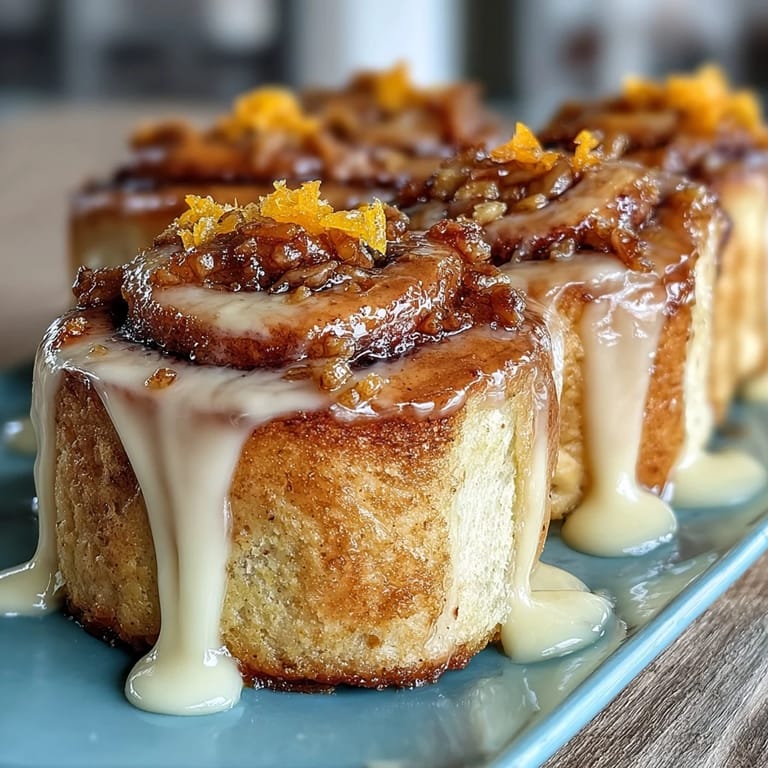
Save These rolls taught me that breakfast doesn't have to be hurried or mundane, and that spending time on something edible sends a quiet message of care to whoever gets to eat it. Make them when you have time to enjoy the process, and they'll taste like the attention you paid them.
Recipe FAQs
- → How do you achieve the soft texture in orange rolls?
Using warm milk and allowing the dough to rise twice helps develop a light, airy texture, while kneading ensures the gluten structure supports softness.
- → What adds the citrus flavor to these rolls?
Fresh orange zest and juice incorporated in the dough, filling, and frosting provide a bright, natural citrus flavor throughout.
- → Can these rolls be prepared in advance?
Yes, shaping the rolls the night before and refrigerating them allows for a slow rise. Let them come to room temperature before baking.
- → What is the purpose of the orange cream cheese frosting?
The frosting adds a creamy, tangy finish that complements the sweet and citrusy filling, balancing the flavors and textures.
- → Are there alternative pairings suggested for serving?
Pair these rolls with Earl Grey tea or fresh orange juice to enhance the citrus experience and round out the meal.