 Save
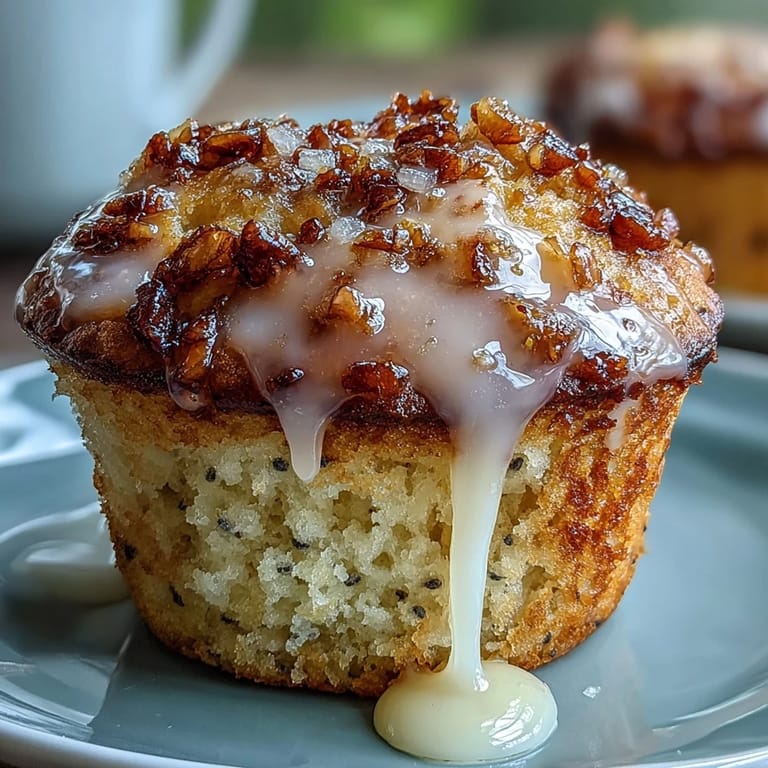
Save My sister texted me at 7 a.m. on Easter Sunday asking if I could bring something to brunch, and I panicked until I remembered these lemon poppy seed muffins. There's something about the smell of fresh lemon zest hitting hot butter that makes a kitchen feel like spring actually arrived. Twenty minutes of prep and eighteen minutes in the oven later, I had a dozen golden muffins that somehow tasted like sunshine and nostalgia at the same time. Everyone kept reaching for a second one, and honestly, I wasn't surprised.
I made these one Saturday morning when my neighbor stopped by with her kids, and within minutes, the smell had drawn them all into my kitchen like we were running a bakery. She watched me pull the first batch out of the oven, and when I drizzled the glaze over them while they were still warm, her daughter asked if we were making them again next week. That's when I knew this recipe was a keeper.
Ingredients
- All-purpose flour (2 cups): The foundation of these muffins, and measuring by weight gives you the most consistent results every single time.
- Granulated sugar (3/4 cup): This sweetens the batter while helping the muffins stay tender and moist throughout the week.
- Poppy seeds (2 tbsp): Don't skip these tiny specks—they're where the texture magic happens and give each bite a gentle crunch.
- Baking powder and baking soda (1 1/2 tsp and 1/2 tsp): This combination creates muffins that rise proudly without being too dense or too airy.
- Salt (1/2 tsp): A pinch brings out the lemon flavor and balances the sweetness beautifully.
- Eggs (2 large, room temperature): Room temperature eggs mix more evenly with the other wet ingredients and create a better crumb structure.
- Milk or buttermilk (3/4 cup): Whole milk works great, but buttermilk adds a subtle tang that complements the lemon perfectly.
- Unsalted butter, melted (1/2 cup): Melted butter distributes through the batter more evenly than cold butter ever could.
- Fresh lemon juice (1/4 cup from about 2 lemons): This is where the brightness comes from—don't use bottled juice if you can help it.
- Lemon zest (from 2 lemons): The zest holds tiny pockets of lemon oil that give you that intense citrus flavor in every crumb.
- Vanilla extract (1 tsp): This deepens the lemon flavor rather than adding vanilla taste—it's a secret weapon.
- Powdered sugar (1 cup): For the glaze, this dissolves smoothly and creates that silky coating.
- Fresh lemon juice for glaze (2–3 tbsp): Add it slowly so you get the perfect pourable consistency without it becoming too thin.
Tired of Takeout? 🥡
Get 10 meals you can make faster than delivery arrives. Seriously.
One email. No spam. Unsubscribe anytime.
Instructions
- Heat your oven and prepare the pan:
- Set the oven to 375°F (190°C) and line your muffin tin with paper liners or a light coating of butter. This step takes ninety seconds and prevents any sticking drama later.
- Mix the dry ingredients together:
- In a large mixing bowl, whisk the flour, sugar, poppy seeds, baking powder, baking soda, and salt until everything is evenly distributed. You'll notice the poppy seeds spread throughout, which is exactly what you want.
- Combine the wet ingredients in their own bowl:
- Crack the eggs into a separate bowl and whisk them with the milk, melted butter, lemon juice, lemon zest, and vanilla extract until everything looks uniform. The mixture should smell bright and lemony at this point.
- Bring the two mixtures together gently:
- Pour the wet ingredients into the dry bowl and use a spatula to stir until just combined—you're looking for no visible flour streaks, but some small lumps are perfectly fine. Overmixing toughens the muffins, so resist the urge to get it completely smooth.
- Fill the muffin cups:
- Divide the batter evenly among the twelve cups, filling each about 3/4 full so they have room to rise without spilling over. A small ice cream scoop makes this task feel almost meditative.
- Bake until golden:
- Place the tin in the preheated oven for 16–18 minutes, watching until a toothpick poked into the center comes out clean. The tops should be golden brown and spring back when you lightly touch them.
- Cool before glazing:
- Let the muffins rest in the tin for five minutes to set, then turn them out onto a wire rack to cool completely. They'll continue cooking slightly from residual heat, so don't skip this step.
- Make the glaze while they cool:
- Whisk the powdered sugar with lemon juice, adding the juice gradually until you reach a thick but pourable consistency. If it gets too thin, whisk in a bit more powdered sugar to fix it.
- Finish with glaze:
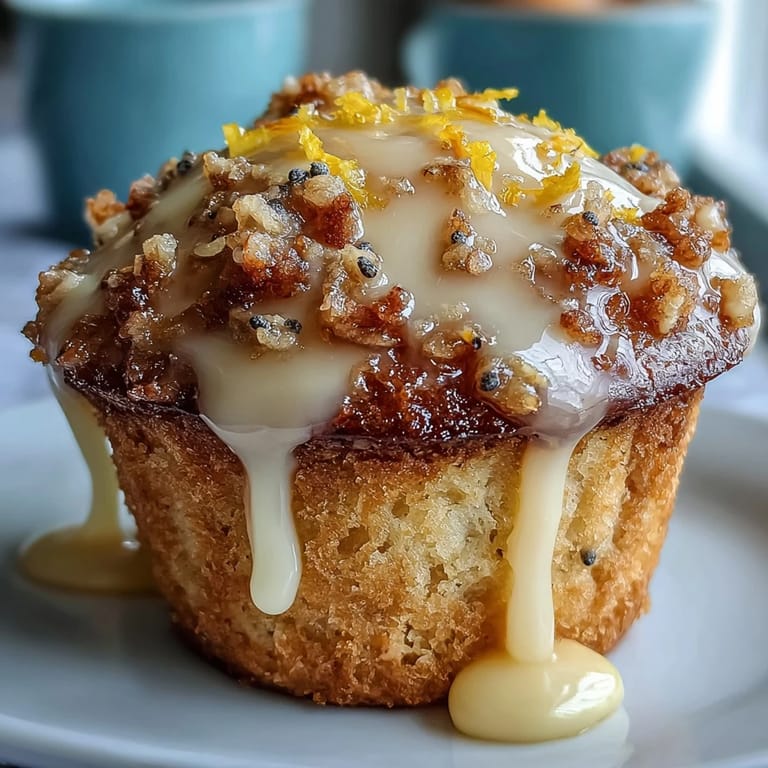
- Once the muffins are completely cool, drizzle the glaze over each one with a spoon or small measuring cup. Let it set for about ten minutes before serving so it firms up just enough.
 Save
Save There was an afternoon when I made these for a friend going through a rough week, and she called me later to say she'd eaten one slowly with her coffee on the porch and just sat there feeling a little lighter. Food like this—simple, bright, and made with care—has a way of doing that.
Lemon Zest: The Secret to Incredible Flavor
The zest is where the real lemon intensity lives, not the juice. When you zest a lemon, you're capturing those tiny oil pockets in the peel that contain all the aromatic lemon compounds. I learned this the hard way by once making these with just juice and no zest, and they tasted pleasant but flat compared to the version with both. Now I zest aggressively and don't feel bad about it.
Why Buttermilk Changes Everything
If you have buttermilk in your fridge, use it instead of regular milk. The acidity reacts with the baking soda to create a more tender crumb, and it adds a subtle tangy note that somehow makes the lemon flavor pop even more. I started keeping a carton around just for these muffins, though it's also stellar in pancakes and biscuits.
Storing and Reheating Your Muffins
These muffins stay moist and delicious at room temperature in an airtight container for two days, though they honestly taste best eaten fresh. If you want them to last longer, freeze them without the glaze in a freezer bag for up to a month, then thaw at room temperature and glaze fresh. One more thing: if you're warming them up, a quick fifteen seconds in the microwave brings back that just-baked softness without drying them out.
- Store in an airtight container at room temperature and they'll stay fresh for two days easily.
- Freeze unglazed muffins in a freezer bag for up to a month, then glaze after thawing.
- A gentle microwave warming brings back that tender texture if they've been sitting for a day or two.
 Save
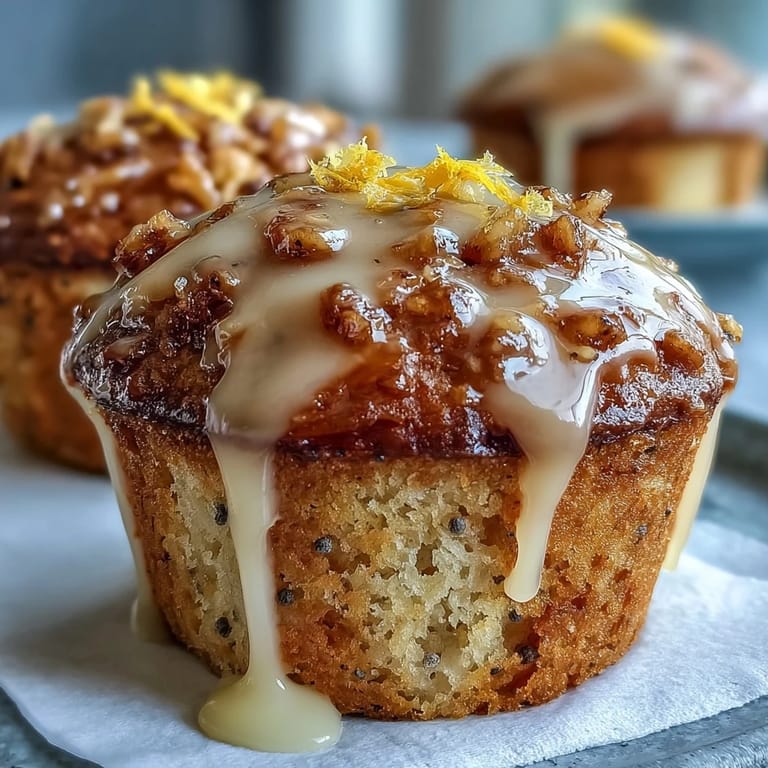
Save These muffins have become my go-to answer whenever someone asks what to bring to brunch, and they've shown up at Easter dinners, Mother's Day brunches, and lazy Sunday mornings in my own kitchen. They're proof that sometimes the simplest recipes, made with attention and fresh ingredients, are the ones people actually remember.
Recipe FAQs
- → Can I substitute buttermilk with regular milk?
Yes, whole milk can be used as a substitute, but adding a teaspoon of lemon juice or vinegar to milk helps mimic buttermilk's acidity for better texture.
- → How do poppy seeds affect the texture?
Poppy seeds add a subtle crunch and nutty flavor, enhancing the muffins' texture without overpowering the lemon brightness.
- → What is the best way to keep these muffins fresh?
Store muffins in an airtight container at room temperature for up to two days to maintain moisture and flavor.
- → Can I add more lemon flavor?
Yes, additional lemon zest can be mixed into the batter or glaze to intensify the citrus aroma and taste.
- → Are these muffins suitable for vegetarians?
Yes, they contain no meat or gelatin and are suitable for a vegetarian diet, incorporating dairy and eggs.
- → What tools are needed for preparation?
A 12-cup muffin tin, mixing bowls, whisk, spatula, and a zester or microplane are recommended to prepare these muffins.