 Save
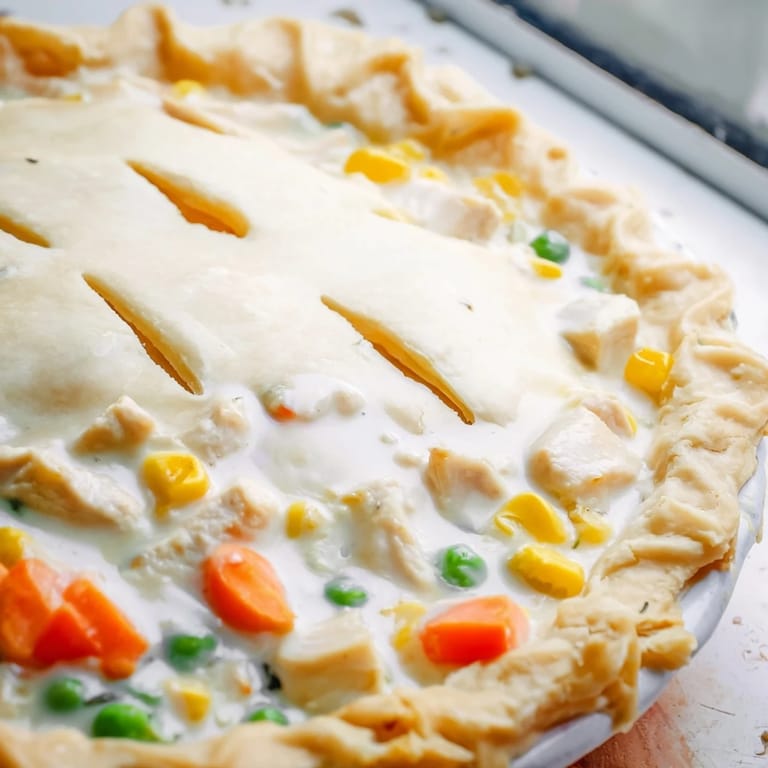
Save The kitchen was freezing that January afternoon, my old drafty apartment doing nothing to keep the Minnesota winter at bay. I'd been craving something that would warm me from the inside out, the kind of comfort that only comes from bubbling hot filling and flaky golden crust. My grandmother never wrote down her pot pie recipe, but I remembered watching her make it countless times, the way she'd casually toss in handfuls of this and that while chatting about her garden. That day, I decided it was time to recreate those memories, even if I had to rely on feel and instinct instead of a stained index card.
The first time I served this to my roommates, they were skeptical about the frozen peas and corn. Fresh is better, right? But that bubbling cream sauce transformed those humble frozen vegetables into something spectacular. One roommate actually moaned when she took her first bite, the steam curling up from her bowl carrying the scent of thyme and sage through our tiny dining room. We sat there in comfortable silence, just the sound of spoons scraping against bowls and the occasional contented sigh.
Ingredients
- 2 cups cooked chicken breast: Rotisserie chicken works beautifully here, just pull it into bite-sized pieces while the vegetables are sautéing
- 2 tablespoons unsalted butter: This creates the foundation for your sauce, so use real butter, nothing imitation
- 1 medium yellow onion: The sweetness of yellow onions balances the savory elements better than white onions
- 2 medium carrots: Fresh carrots provide better texture than frozen, and dicing them small helps them cook evenly
- 2 celery stalks: Dont skip these, they add that classic pot pie flavor that everyone recognizes but cant quite name
- 2 cloves garlic: Mince it fresh if possible, the jarred stuff can taste metallic in this delicate sauce
- 1 cup frozen peas: These hold up better during baking than fresh peas, maintaining their sweetness
- 1 cup frozen corn: Adds little bursts of sweetness throughout the filling
- 1/4 cup all-purpose flour: This thickens your sauce to the perfect consistency, not too thick, not too thin
- 2 cups low-sodium chicken broth: Using low-sodium lets you control the seasoning completely
- 1 cup whole milk: Creates that velvety, creamy sauce that makes pot pie so satisfying
- 1 teaspoon salt: Adjust based on your broth, some brands are saltier than others
- 1/2 teaspoon freshly ground black pepper: Freshly ground makes a huge difference in flavor depth
- 1/2 teaspoon dried thyme: This herb screams comfort food and pairs perfectly with chicken
- 1/4 teaspoon dried sage: Optional, but adds an earthy note that makes the pie taste like it came from a farmhouse kitchen
- 1 sheet refrigerated pie dough: Keep it cold until youre ready to use it for the flakiest results
- 1 egg, beaten: This creates that gorgeous golden finish that makes the pie look professionally made
Tired of Takeout? 🥡
Get 10 meals you can make faster than delivery arrives. Seriously.
One email. No spam. Unsubscribe anytime.
Instructions
- Get your oven ready:
- Preheat to 400°F and position your rack in the center, giving the pie enough space to bake evenly without touching the top heating element.
- Build your flavor foundation:
- Melt the butter in a large skillet over medium heat, then add onion, carrots, and celery, sautéing until they soften and your kitchen starts smelling amazing.
- Wake up the garlic:
- Stir in the minced garlic and cook for just one minute until fragrant, being careful not to let it brown or it will turn bitter.
- Create your sauce base:
- Sprinkle the flour over the vegetables, stirring constantly to coat everything and cook out that raw flour taste for about two minutes.
- Bring it all together:
- Slowly whisk in the chicken broth and milk, stirring out any lumps, then let it simmer until it thickens enough to coat the back of a spoon.
- Add the heart of the pie:
- Stir in the chicken, peas, corn, and all your seasonings, letting everything heat through and get friendly with that creamy sauce.
- Nestle your filling into its home:
- Pour everything into a 9-inch pie dish, spreading it evenly and resisting the urge to sneak a taste despite how incredible it smells.
- Crown your creation:
- Lay the pie dough over the filling, trim the edges, and crimp them with your fingers or a fork, then cut a few vent slits in the center.
- Give it that golden glow:
- Brush the entire crust with beaten egg, getting into all the nooks and crannies for that bakery-worthy finish.
- Wait for the magic:
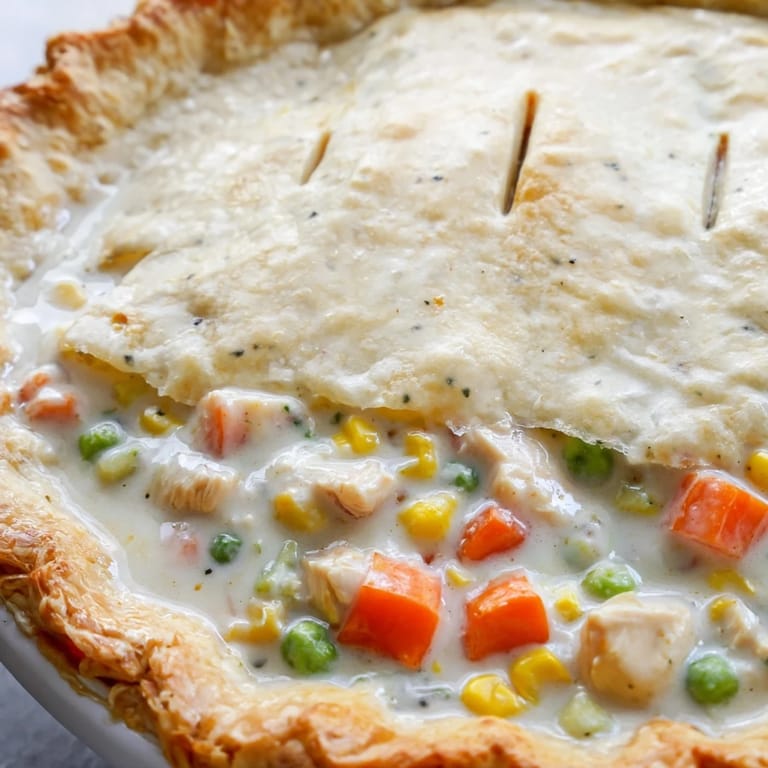
- Bake for 35 to 40 minutes until the crust is deeply golden and you can see the filling bubbling up through those vent slits.
- Practice patience:
- Let it rest for 10 minutes before serving, giving the filling time to set so it doesnt run when you cut into it.
 Save
Save My sister called me midway through her first attempt, panicked that her sauce looked too thin. I told her to trust the process, that flour needs a few minutes to work its magic. When she called back an hour later, she admitted she was wrong to worry, her sauce was perfect and her husband had already asked when she was making it again. Sometimes the most anxiety-inducing moments in the kitchen turn into the best lessons.
Making It Your Own
The beauty of pot pie lies in its adaptability. Ive made this with leftover Thanksgiving turkey, with roasted chicken from Sunday dinner, and even with a rotisserie chicken picked up on a frantic Tuesday evening. Each version brings its own character to the final dish, but the essence remains the same, comfort food that wraps around you like a warm blanket.
The Crust Question
Store-bought dough is perfectly acceptable, and honestly, most people cant tell the difference once its baked to golden perfection. But if you want to level up, try making your own crust with cold butter and ice water. The extra effort pays off in texture and bragging rights, though nobody will judge you for taking the shortcut on a weeknight.
Serving Suggestions
A crisp green salad with a bright vinaigrette cuts through the richness of the pie, creating that perfect balance that makes a meal feel complete. Some crusty bread for soaking up any extra sauce never hurts either. And honestly, a glass of white wine doesnt do any harm, especially if you splashed some into the sauce like I sometimes do when feeling fancy.
- Let the pie cool longer if youre planning to pack leftovers for lunch, it travels better when fully set
- Individual ramekins work beautifully if you want each person their own personal pot pie
- The filling freezes beautifully if you want to double batch and save half for another day
 Save
Save Theres something profoundly satisfying about serving a dish that makes people close their eyes and smile after the first bite. This pot pie has become my go-to for everything from sick friends to celebratory dinners, and it never fails to make people feel taken care of.
Recipe FAQs
- → Can I make the filling ahead of time?
Yes, prepare the filling completely and refrigerate it for up to 24 hours. When ready to bake, bring it to room temperature, top with crust, and bake as directed. You may need to add a few extra minutes to the baking time if the filling is still cold.
- → What's the best way to prevent a soggy bottom crust?
Ensure your filling is hot before pouring it into the pie dish. You can also brush the bottom crust with a beaten egg white before adding the filling to create a moisture barrier. Cutting proper vent slits in the top crust allows steam to escape during baking.
- → Can I use rotisserie chicken?
Absolutely. A store-bought rotisserie chicken works wonderfully and adds extra depth of flavor. Simply remove the skin, dice the meat, and use it in place of cooked chicken breast. One rotisserie chicken typically yields about 3-4 cups of meat.
- → How do I know when the pie is done?
The pie is ready when the crust is deep golden brown and you see the filling bubbling vigorously through the vent holes. The internal temperature should reach 165°F (74°C) when measured with a food thermometer inserted through a vent.
- → Can I freeze this unbaked?
Yes, assemble the complete pie and freeze it tightly wrapped for up to 3 months. When ready to bake, do not thaw. Place the frozen pie in a 400°F oven and bake for about 60-70 minutes, covering the edges with foil if they brown too quickly.
- → What vegetables work best in this filling?
Classic aromatics like onions, carrots, and celery provide the base. Frozen peas and corn add sweetness and color. You can also add diced potatoes, green beans, or mushrooms. Just keep the total vegetable amount around 4 cups to maintain proper filling consistency.