 Save
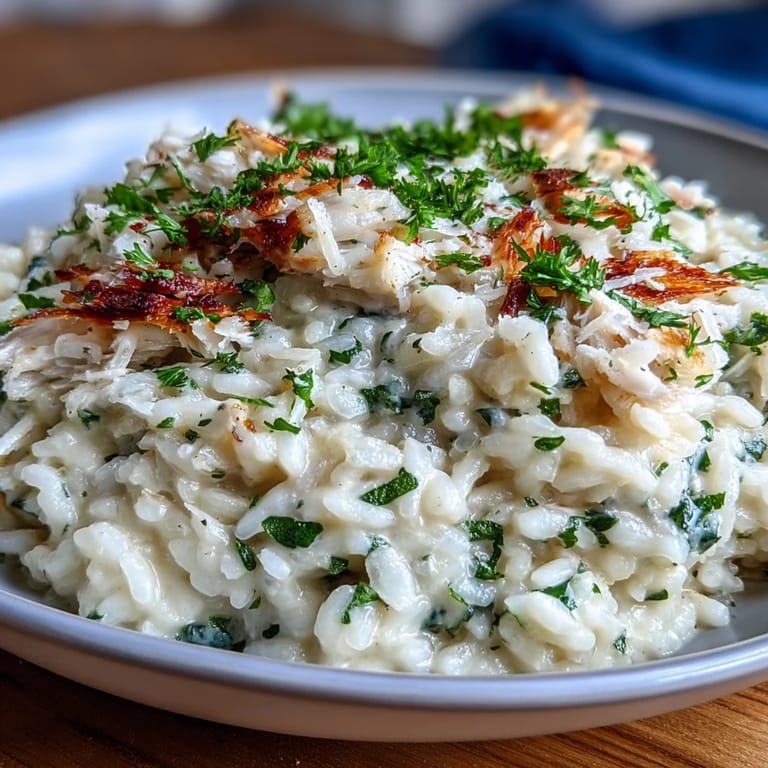
Save The smell of smoked fish simmering in milk always brings me straight back to a gray Saturday in March when I had friends coming over and nothing but a risotto pan and a hunch. I'd never poached haddock before, but I trusted the gentle heat and the way the milk turned silky and faintly golden. When I flaked that first piece of fish into the rice, I knew I'd stumbled onto something worth repeating. It's become my cold-weather dinner party secret ever since.
I once made this for my sister after she'd had a long week, and she sat at the counter with a glass of wine, watching me stir. She said it smelled like a seaside pub but tasted like something you'd order in a restaurant with cloth napkins. That's the magic of it: humble and luxurious at once. We finished the whole pan between us and didn't regret a single creamy spoonful.
Ingredients
- 350 g smoked haddock fillets (undyed, skinless): The undyed kind has a cleaner, truer flavor and won't turn your risotto an alarming shade of yellow.
- 500 ml whole milk: This becomes your secret weapon, infused with smoky sweetness after poaching the fish.
- 700 ml fish or vegetable stock (hot): Keep it simmering on the back burner so the rice cooks evenly without shocking it cold.
- 300 g Arborio or Carnaroli rice: Carnaroli holds its shape a touch better, but Arborio is easier to find and works beautifully.
- 1 medium onion, finely chopped: The backbone of flavor, softened slowly so it melts into the background.
- 2 cloves garlic, minced: Just enough to add warmth without competing with the smoke.
- 1 leek, white part only, thinly sliced: It brings a gentle sweetness that pairs perfectly with the fish.
- 2 tbsp unsalted butter: For the base, and maybe a little extra at the end if you're feeling generous.
- 1 tbsp olive oil: Keeps the butter from browning too fast and adds a silky mouthfeel.
- 50 g Parmesan cheese, freshly grated: Stir it in at the end for that nutty, salty finish.
- 2 tbsp flat-leaf parsley, chopped: A fresh, bright contrast to all that creaminess.
- Zest of 1 lemon: This is what makes people ask what your secret is.
- Freshly ground black pepper: A few twists wake up every spoonful.
- Sea salt, to taste: Go easy, the haddock and Parmesan bring plenty of salt already.
- Extra butter (optional, for finishing): A chef's trick for glossy, restaurant-level risotto.
Tired of Takeout? 🥡
Get 10 meals you can make faster than delivery arrives. Seriously.
One email. No spam. Unsubscribe anytime.
Instructions
- Poach the haddock:
- Place the fillets in a saucepan with the milk and bring it to a bare simmer, just a few lazy bubbles around the edges. Let it poach for 5 to 7 minutes until the fish flakes easily, then lift it out with a slotted spoon and set it aside, saving every drop of that fragrant milk.
- Start the risotto base:
- Heat the olive oil and butter in a large pan over medium heat, then add the onion, leek, and garlic. Stir them gently for about 5 minutes until they're soft and translucent, filling your kitchen with a sweet, savory hum.
- Toast the rice:
- Tip in the rice and stir it around for a minute or two until the grains turn slightly see-through at the edges. This step gives the risotto its structure and keeps it from turning to mush.
- Add the poaching milk:
- Pour in the reserved milk and stir until it's mostly absorbed, watching the rice plump up and drink in all that smoky sweetness.
- Ladle in the stock:
- Add the hot stock one ladle at a time, stirring often and waiting until each addition is absorbed before adding more. This slow rhythm is where the creaminess comes from, and it takes about 20 minutes of patient stirring.
- Fold in the fish and finish:
- Gently fold in the flaked haddock, Parmesan, lemon zest, and parsley, then season with pepper and a cautious pinch of salt. If you want it extra luscious, stir in another knob of butter and watch it glisten.
- Rest and serve:
- Take the pan off the heat, cover it, and let it sit for 2 minutes. This lets the risotto settle into itself, creamy and soft, ready to be spooned into warm bowls.
 Save
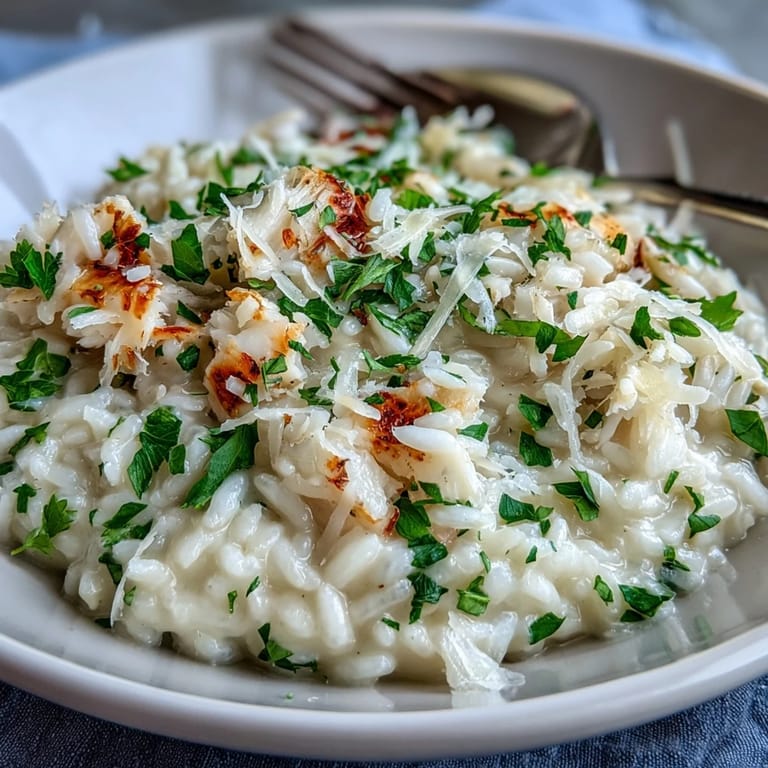
Save The first time I served this to someone who didn't think they liked risotto, they went quiet after the first bite and then asked for seconds. That's when I realized this dish has a way of winning people over, turning skeptics into believers with nothing but patience and a bit of smoke. It's one of those meals that makes you feel capable and warm, like you've pulled off something special without breaking a sweat.
Choosing Your Haddock
Look for fillets labeled undyed, they'll be a pale straw color instead of bright yellow. The dye is just cosmetic and can taste artificial, so skip it if you can. If smoked haddock isn't available, smoked cod works nearly as well, though it's a touch firmer and less delicate.
Stirring Without Overthinking
You don't need to stand there stirring nonstop like some recipes insist. Stir every minute or so, enough to keep the rice moving and releasing starch, but you can chop parsley or pour yourself a glass of wine in between. The key is attention, not anxiety.
Serving and Pairing
This risotto is rich enough to stand on its own, but a simple green salad with a sharp vinaigrette cuts through the creaminess beautifully. I like to serve it in wide, shallow bowls so every spoonful gets a bit of everything. A crisp white wine, something citrusy and clean, makes it feel like a proper occasion.
- Leftovers can be shaped into patties, chilled, and pan-fried the next day for crispy risotto cakes.
- If you're making this ahead, undercook the rice slightly and reheat gently with a splash of stock.
- A handful of peas or asparagus tips stirred in at the end adds color and a spring-like freshness.
 Save
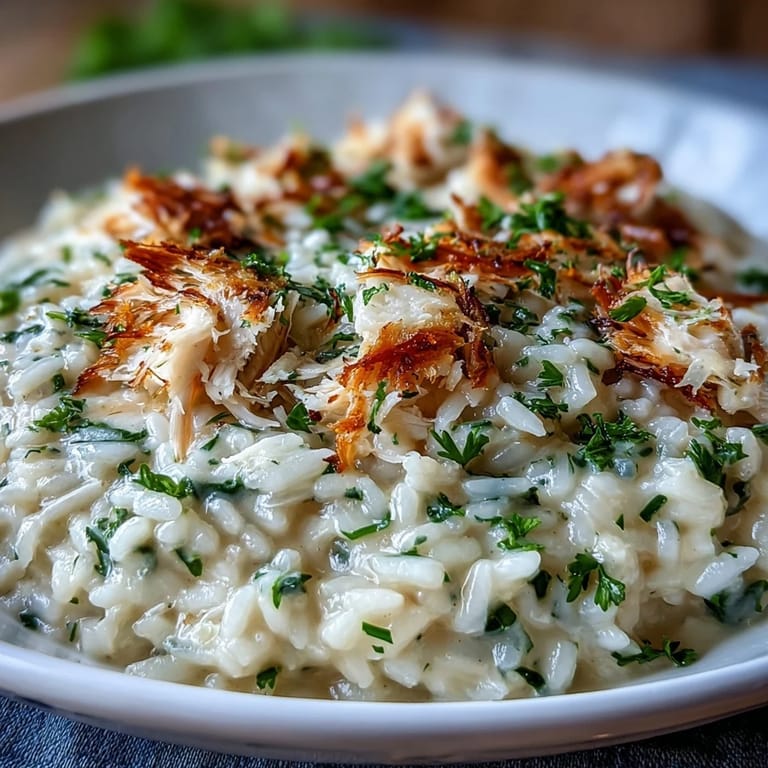
Save There's something about stirring risotto that slows the world down, just you and the pan and the quiet rhythm of the ladle. This one, with its gentle smoke and lemony brightness, has become one of my favorite ways to feed people I care about.
Recipe FAQs
- → Can I use fresh haddock instead of smoked?
Yes, fresh haddock works well, though you'll lose the distinctive smoky flavor. Consider adding a pinch of smoked paprika to compensate for the depth of flavor.
- → What rice can I substitute for Arborio?
Carnaroli or Vialone Nano are excellent alternatives. Avoid long-grain rice as it won't release the starch needed for creamy texture.
- → How do I prevent the risotto from becoming too thick?
Keep extra warm stock on hand and add gradually if needed. Risotto should flow slightly when plated, not stand stiff like a mound.
- → Can I make this ahead of time?
Risotto is best served immediately. If necessary, undercook slightly, spread on a tray to cool, then reheat gently with additional stock while stirring.
- → What wine pairs best with this dish?
A crisp Sauvignon Blanc or dry Riesling complements the smoky fish beautifully. Alternatively, try a light Pinot Grigio or unoaked Chardonnay.
- → Is the poaching milk essential?
Yes, the poaching milk infuses the risotto with delicate fish flavor and adds creaminess. It's a key component that shouldn't be discarded.